
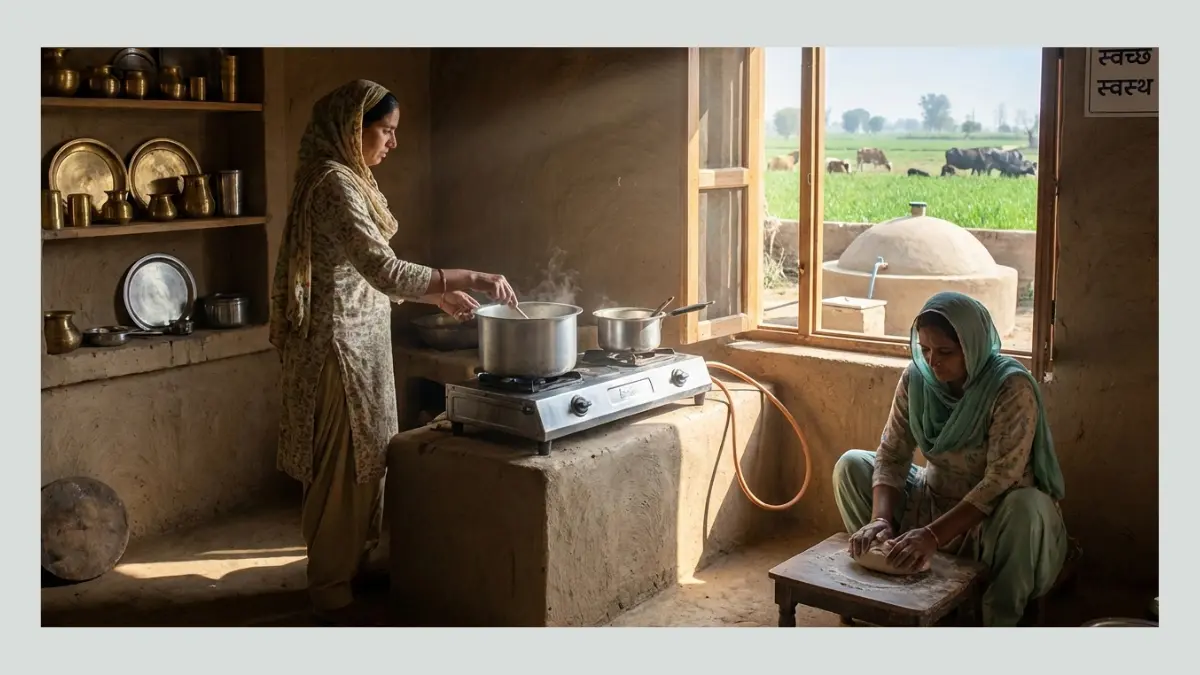
When household budgets are under strain due to increased prices of LPG throughout India, one small Punjab Village has gone about resetting the rulebook of rural energy consumption. Village Lambra Kangri, in the Hoshiarpur district has not consumed even a single LPG cylinder in more than a decade. Rather, inhabitants prepare all their meals with the help of locally created biogas and demonstrate that clean and cheap energy can be produced at home.
A Decade of LPG Cylinder-Free
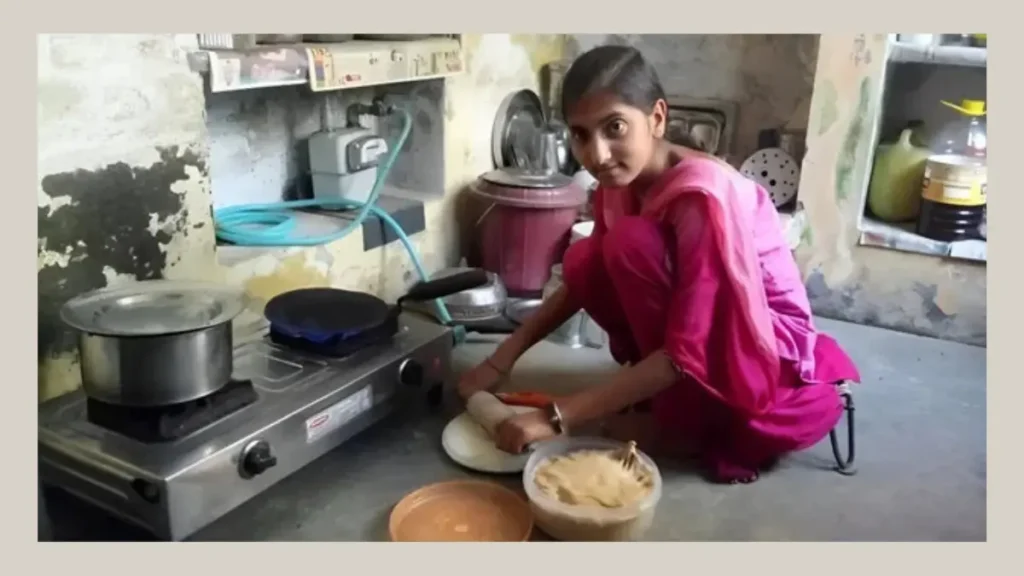
Punjab Village in Hoshiarpur, Lambra Kangri has 44 households and the 44 households do not need LPG cylinders any more. Families here have been fully dependent on piped biogas that is provided by a community-based plant since 2016. The fact that this has been achieved over the years is amazing, and without a hitch, which means that the system is still running smoothly.
People report that they are no longer concerned about cylinder reservation, increase in prices, and stock-outs. Fuel to cook is accessible twenty-four hours round the clock as well as water or electricity.
The operation of the Community Biogas System
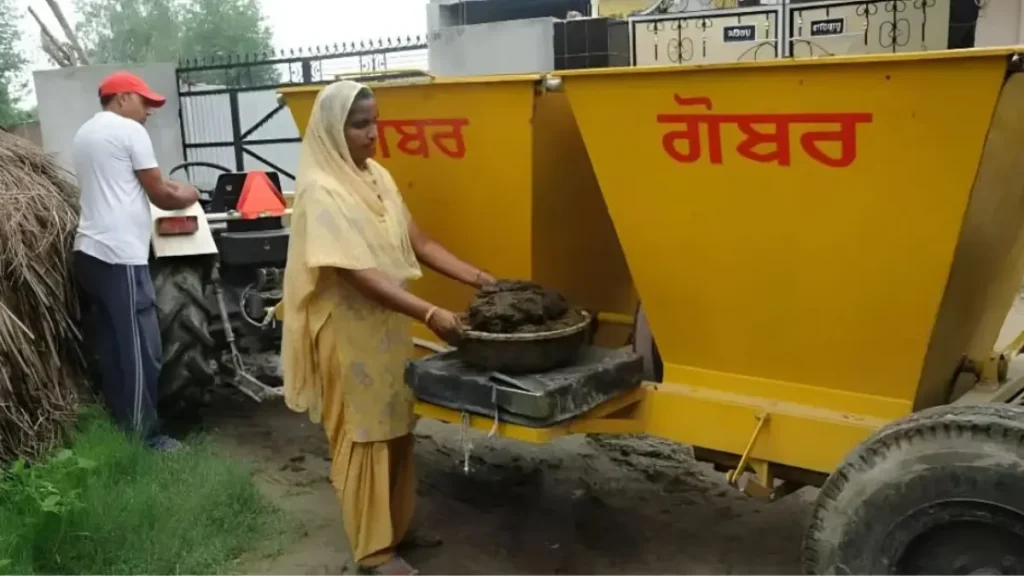
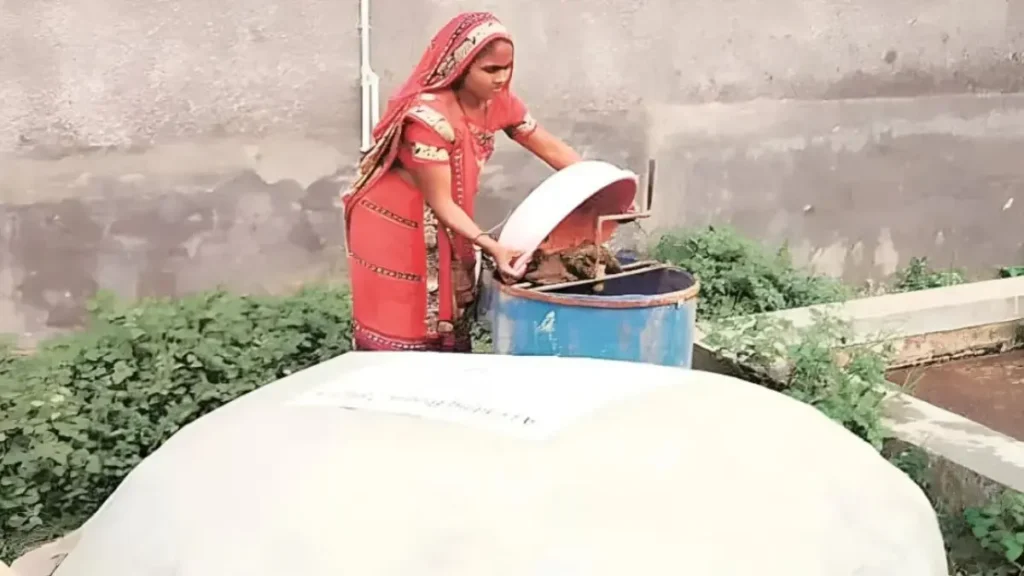
The biogas plant is run by Village Lambra Kangri Multipurpose Cooperative Society and hence it is a community owned project. Approximately 2,500 kilograms of cattle dung is collected daily in the households and the dairy farms which are close by.
The mechanism of the system works like this:
- The cow dung is digested in considerable amounts to generate the methane gas.
- The gas is purified and sent to households using underground pipelines.
- The consumption of every house is digitalized.
- The remaining slurry is used to make organic fertilizer which is marketed to farmers.
This closed loop model guarantees that there is no waste at all and maximum efficiency is achieved.
Big Savings for Rural Families
Cost savings have been one of the greatest advantages. The current LPG cylinders cost 700 or above, but the monthly expenditure of households in Lambra Kangri is 200 to 300 on biogas.
This has liberated finances among most families to be used in education, medical services, and agriculture. Women specifically claim that the system has lowered stress and made the kitchen safer.
The Idea That Sparked the Change
This project was initiated by a town resident Jaswinder Singh Saini who was inspired by renewable energy designs he had observed in South Korea. When he came back to his village, he could see that cattle waste was causing sanitation problems when it was not controlled.
Through technical help of Punjab Agricultural University and the contribution of Punjab Pollution Control Board, the cooperative received government funding and constructed the biogas plant. An experiment was what turned into a prototype of a green lifestyle.
Cleaner Kitchens, Healthier Environment
In addition to savings, the effect on the environment has been enormous:
- Less reliance on fossil fuel
- Lower carbon emissions
- Purer village environment
- Improved waste management
Indoor smoke has also been eradicated through the use of biogas which has improved respiratory health particularly to women and the old people who stay in the homes.
A Model for Rural India
The success of Lambra Kangri is an important example of the potential of decentralised and community-based solutions to the pursuit of energy security and climate goals in India. Specialists consider that similar models of biogas can be cultured in thousands of cattle-based villages of the country.
Punjab Village Lives Without LPG: A small village in Hoshiarpur has relied entirely on community biogas for cooking for over a decade, setting a powerful example of sustainable living.
As fuel prices go up, and the environmental awareness of the times increases, what this small Punjab village provides is a strong message: sustainable living may not require big technology, but it only requires determination among the people.