
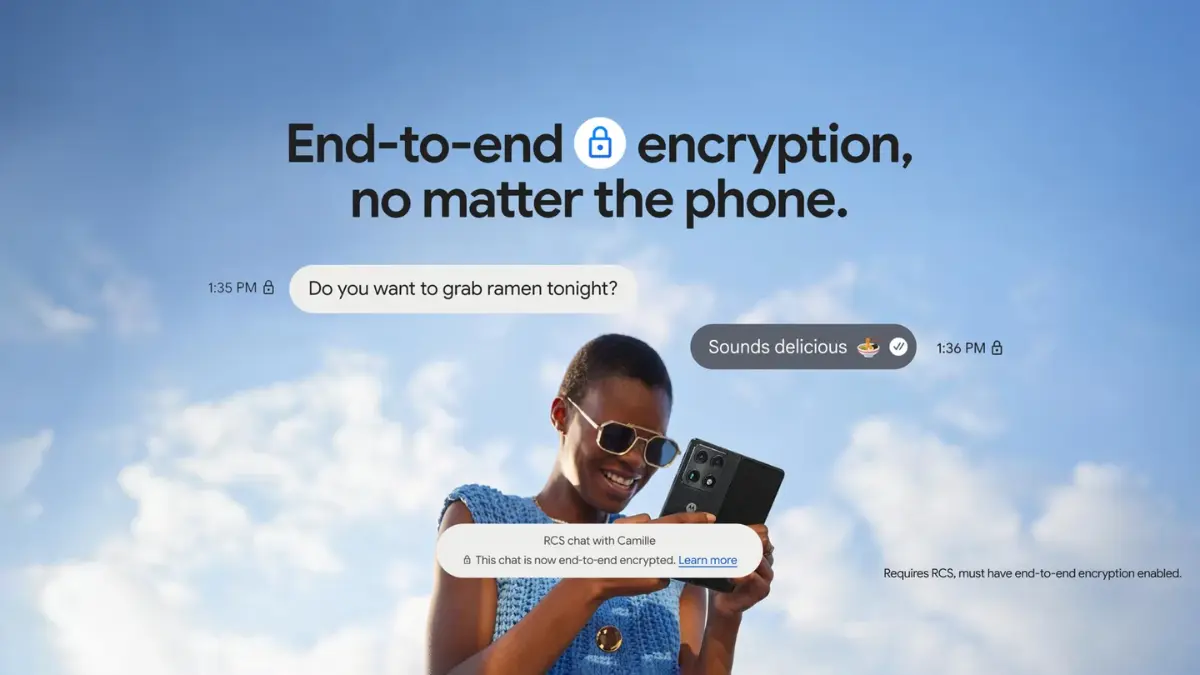
IOS 26.5 new features: For years, the “Green Bubble” wasn’t just a color—it was a security risk. If you were an iPhone user texting another iPhone user, your secrets were locked behind Apple’s ironclad iMessage encryption. But the moment an Android friend joined the group chat, the walls came down, and your conversation reverted to the digital equivalent of a postcard: readable by anyone with the right tools.
Today, that era officially begins its exit. Apple has announced the rollout of End-to-End Encrypted (E2EE) RCS in its latest beta, effectively bridging the most famous divide in mobile technology.
Beyond the Blue: Why This Beta Matters
It’s easy to dismiss this as “just another software update,” but for the billions of people who don’t use third-party apps like WhatsApp or Signal, this is a massive win for civil liberties.
Until now, RCS (Rich Communication Services) gave us the “fun” features—high-res photos, typing bubbles, and read receipts—but it lacked the one thing that truly mattered: Privacy. With today’s rollout, Apple and Google have aligned their protocols. This means that when you hit ‘send,’ your message is scrambled into a code that can only be unlocked by the recipient’s device.
The “Lock” We’ve Been Waiting For
If you are running the new iOS 26.5 Beta, look closely at your text field. You’ll notice a small lock icon sitting next to the RCS label. It’s a subtle addition, but it represents years of behind-the-scenes legal and technical wrestling between Cupertino and Mountain View.
What changes for you?
- No More “Snooping”: Your cellular provider (Verizon, AT&T, etc.) can no longer see the contents of your RCS messages.
- Group Chat Integrity: Large family groups containing both Android and iOS users will finally benefit from the same encryption standards previously reserved for iMessage.
- The End of the SMS Era: While SMS will remain as a fallback, it is officially being treated as a “legacy” technology.
Human Touch: A Rare Moment of Unity
In a world where tech giants usually build moats to keep users trapped in their own ecosystems, this is a rare moment of “platform agnosticism.” Apple didn’t have to do this—they were pressured by European regulators and a changing global tide toward privacy. However, by working with the GSMA (the global body for mobile carriers) to standardize encryption, they’ve made the entire internet a little bit safer for everyone.
“Privacy shouldn’t be a premium feature tied to the price of your handset,” says one lead developer close to the project. “Security is a right, not a color-coded privilege.”
Quick Guide: How to Get iOS 26.5 New Features
If you’re a tech enthusiast and want to test the future, here is how the rollout looks:
- Check Your Version: You must be on the iOS 26.5 Beta or the latest Android Google Messages Beta.
- Look for the Icon: The encryption is automatic. If both parties have the update, the lock icon will appear.
- The “Blue vs. Green” Debate: No, the bubbles aren’t changing color. Android users will still be green, but for the first time, they will be just as secure as the blue ones.
Final Thoughts
We often talk about “innovation” in terms of faster chips or shinier screens. But today’s innovation is invisible, and that’s why it’s important. It’s the peace of mind knowing that a photo of your kids or a sensitive work document isn’t floating unencrypted across a carrier’s server.
The wall between iPhone and Android hasn’t been torn down entirely, but at least now, there’s a secure window for us to talk through.