


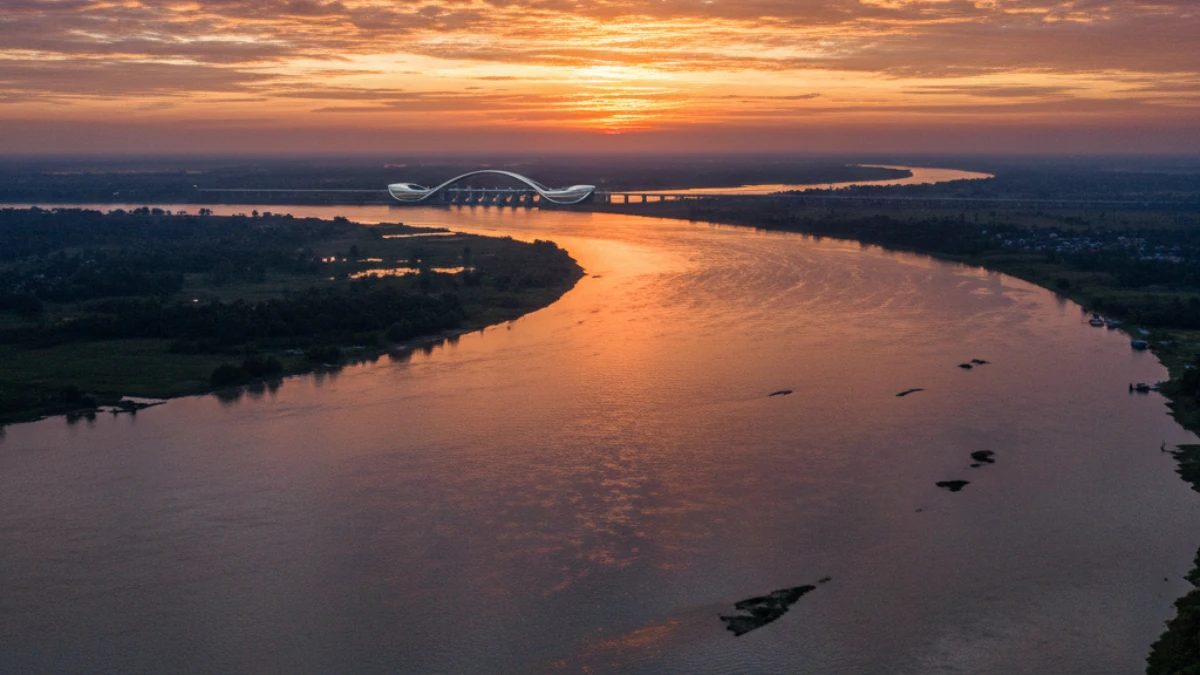


Bangladesh has decided to move forward with its long-proposed Padma Barrage project after negotiations with India over the renewal of the Farakka Water Sharing Treaty failed to show meaningful progress. The decision reflects growing concerns in Dhaka over long-term water security, especially during the dry season.
The Padma River, which is the main distributary of the Ganges after it enters Bangladesh, plays a vital role in agriculture, navigation, drinking water supply and ecological balance across the country.
Why the Padma Barrage Is Back in Focus
The Bangladesh Padma Barrage project has been under discussion for decades but remained on hold due to financial, environmental and diplomatic considerations. However, Bangladesh authorities now believe the project is essential to ensure sustainable water management.
According to officials, the barrage will help regulate river flow during dry months, prevent excessive salinity intrusion in the southwest region and support irrigation across thousands of hectares of farmland.
The project is estimated to cost over Tk 50,000 crore and is expected to be implemented in multiple phases, with construction likely to continue into the early 2030s.
Key Features of the Proposed Project
The planned barrage will include:
- A structure extending over two kilometres across the Padma River
- More than 90 gates for controlled water regulation
- A navigation lock to allow uninterrupted river transport
- Fish passages to protect aquatic biodiversity
- Supporting infrastructure, including a railway crossing
- Potential hydropower generation of over 100 MW
Officials say the design aims to balance development needs while minimising environmental disruption.
Farakka Treaty Talks Fail to Gain Momentum
The renewed urgency around the Padma Barrage comes as talks between India and Bangladesh on the 1996 Farakka Water Sharing Treaty remain inconclusive.
The treaty, signed for a period of 30 years, governs the distribution of Ganges water during the lean season. With the agreement approaching its renewal deadline, Bangladesh has repeatedly sought assurances of adequate water flow, particularly between January and May.
Dhaka has expressed concern that reduced upstream flow affects agriculture, river navigation, fisheries and the fragile ecosystem of the Sundarbans.
India, meanwhile, has maintained that water releases from the Farakka Barrage follow established protocols and that natural seasonal variations also influence river levels.
Impact on Agriculture and Environment
Experts in Bangladesh warn that inconsistent water flow has already led to:
- Declining agricultural productivity in the southwest
- Increased salinity in soil and drinking water
- Damage to freshwater fisheries
- Pressure on mangrove ecosystems
By controlling river flow internally, the Padma Barrage is expected to stabilise water availability and reduce dependence on upstream decisions.
Strategic Importance for Bangladesh
Beyond water management, the Padma Barrage is also viewed as a strategic national infrastructure project. It is expected to support major installations, including the Rooppur Nuclear Power Plant, which requires stable freshwater supply for cooling operations.
Government planners believe the barrage will strengthen climate resilience as erratic rainfall and changing monsoon patterns increasingly affect South Asia.
Regional Sensitivities Remain
While Bangladesh has the sovereign right to manage rivers within its territory, analysts note that transboundary rivers require careful diplomatic handling.
India and Bangladesh share more than 50 rivers, making water cooperation one of the most sensitive areas of bilateral relations. Any major river project is likely to be closely monitored by both governments to avoid misunderstandings or political friction.
What Lies Ahead
With treaty negotiations moving slowly and climate pressures rising, Bangladesh appears determined to reduce future uncertainties by investing in domestic water control systems.
The coming months will be crucial as both nations attempt to balance diplomacy with development. Whether the Padma Barrage becomes a point of cooperation or contention may shape the future of India–Bangladesh water relations for decades to come.