


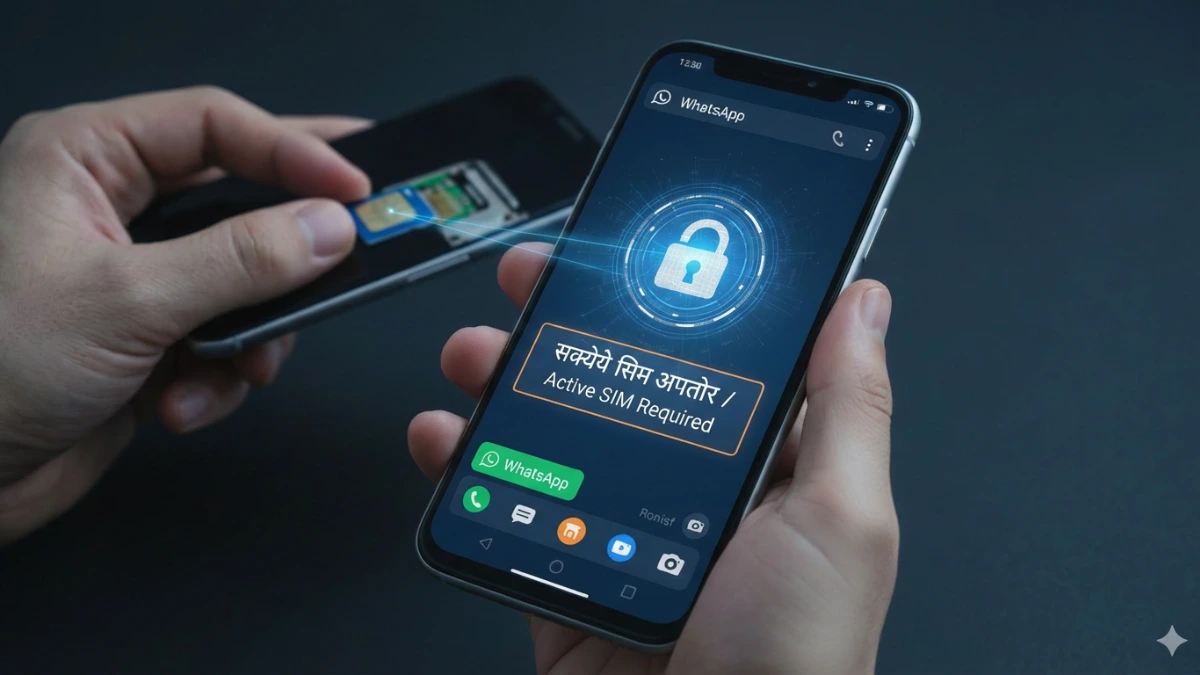


There is a massive cybersecurity renovation of the digital space in India as the Department of Telecommunications (DoT) implements the Telecommunication Cybersecurity Amendment Rule, 2025. This new directive change has a direct effect on the activities of the well-liked instant messaging applications, and WhatsApp is the centre of the novel order. The core directive? Each account should be inherently and incessantly connected to an operational SIM card on the phone of the user.
Why the New Rule? Specialize in Trust and Experience (E-E-A-T)
According to the focus of Trustworthiness and the ability to generate People-First Content (two principles of E-E-A-T framework), this government measure is mainly aimed at overcoming the increasing wave of online fraud, email spamming, and unverified messages.
The government in its move to require SIM binding, which is a process whereby the messaging application continuously ascertains the presence and use of the attached SIM card, hopes to remove the anonymity that cyber criminals frequently use. In the past, it was common that most apps, including WhatsApp, only needed a one-time authentication at the time of installation and could continue to be used in case the original SIM was no longer active and/or removed.
The most important changes that can impact the WhatsApp users are as follows.
The new regulations introduce two significant modifications to the platforms, such as WhatsApp, Telegram, and Signal, and make the user experience more secure, though more demanding:
1. Constant Active SIM card Requirement (The Core Mandate)
What it implies: The first requirement is that to keep the respective WhatsApp account active, it is required to have an active and working SIM card in the device.
The Goal: This option would substantially reduce the possibility of bad actors scaling fraudulent activities through the use of burner or inactive SIMs, including misinformation dissemination or phishing attacks.
2. Web/Desktop Version- Automatic Logout.
The Rule: The online format of the applications should be programmed to automatically log off users after every six hours.
Re-authentication: This will force the user to re-authenticate their session by scanning a QR code, and this guarantees that the primary with the active SIM is still in the control of the user. This introduces the element of protection against unauthorized long-term access.
Ultimate Regulation and Execution
The government has officially listed these messaging services as a new category known as- Telecommunication Identifier User Entity (TIUE). This classification will subject these applications to regulatory monitoring and equalization of cyber security and verification compliance to mobile network operators.
They have provided platforms with 90 days to accommodate these changes in technology. The transition will likely make it easy to detect and trace fraudulent communications resulting in a safer digital environment. The new requirement displays an obvious, formal initiative to enhance the layer of trust in digital communication and WhatsApp has to focus on security, not comfort.
These rules will significantly help in deterring cyber criminals who operate in the shadows or those who use the dormant SIM cards and thus, fraudulent communications will be easily identified.
What to Expect Next
The WhatsApp and other concerned services should be expected to send notifications of the changes and the measures that the users should take to make sure they are compliant. Although they would cause a small inconvenience in the form of the continuous re-logins in the web version, the net effect is that the new rules would provoke a much more verifiable, safe, and, ultimately, reliable messaging environment.