
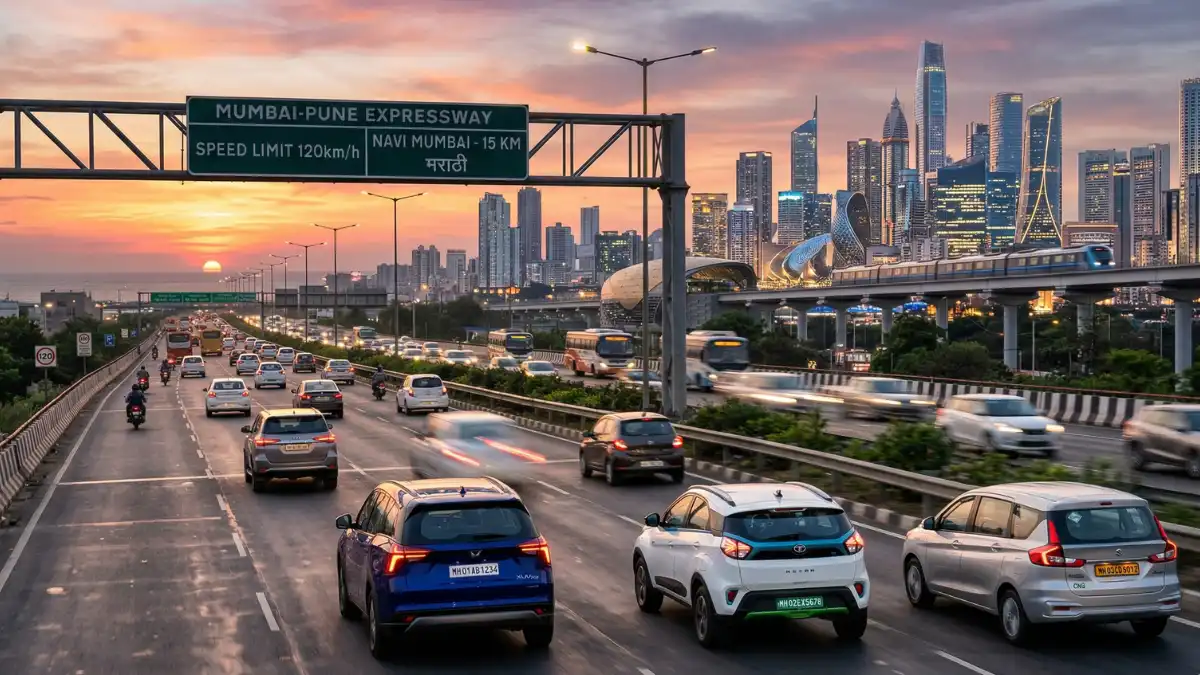
Cars: India’s automobile industry is going through a major transition phase. From supply chain concerns to new fuel technologies and changing customer preferences, this week brought several important developments that could shape the future of mobility in the country.
Let’s break down the biggest stories and what they really mean.
Rare Earth Magnet Push Signals Supply Chain Shift
One of the biggest talking points this week is the growing focus on rare earth magnets, which are crucial components used in electric vehicle (EV) motors.
With global supply chains facing disruptions, automakers are now looking to reduce dependence on imports and strengthen domestic sourcing. This move is not just strategic—it’s becoming essential.
Why this matters:
India’s EV growth could slow down if supply issues continue. However, this also opens doors for local manufacturing and innovation, which could benefit the industry in the long run.
Maruti Suzuki Doubles Down on SUVs Cars
India’s largest carmaker is making a bold move toward SUVs, a segment that has seen explosive growth in recent years.
Maruti Suzuki is planning to introduce multiple new SUV models over the next few years, aligning with the massive shift in consumer demand. SUVs now account for more than half of total car sales in India—a dramatic rise compared to just a few years ago.
At the same time, the company is not relying on just one technology. Instead, it is working on a multi-powertrain strategy, including:
- Hybrid vehicles
- Flex-fuel engines
- Gradual EV rollout
The takeaway:
Maruti is playing it smart by keeping its options open rather than betting everything on electric vehicles.
Renault Teases Turbo-CNG Duster
Renault is looking to shake things up with an interesting innovation—a turbocharged CNG engine for its upcoming Duster SUV.
CNG cars in India are typically known for fuel efficiency but lack performance. Renault aims to change that perception by combining power with affordability.
There’s also strong demand for hybrid versions, with early reports suggesting high interest even before launch.
Why it’s exciting:
If successful, turbo-CNG technology could redefine budget-friendly performance cars in India.
JSW Motors Plans Major Expansion
JSW Group is stepping aggressively into the automotive space, with plans to significantly expand its engineering and R&D capabilities in India.
The company aims to build a strong local ecosystem, focusing on innovation and reducing reliance on foreign technologies.
What this means:
India could soon see a new serious player in the passenger vehicle market, boosting competition and innovation.
Skoda Adopts a Balanced Approach
Skoda Auto India is taking a more measured stance on electrification. While EVs remain important, the company acknowledges that adoption is still slower than expected.
As a result, Skoda is focusing on a balanced portfolio of fuel options, rather than going all-in on electric vehicles.
Reality check:
The gap between government push and actual consumer readiness is still quite visible in the Indian market.
West Asia Crisis Raises Concerns
Global geopolitical tensions, especially in West Asia, are beginning to impact fuel prices and logistics.
For a country like India, which depends heavily on oil imports, this could lead to:
- Higher fuel costs
- Increased transportation expenses
- Possible slowdown in vehicle demand
The Bigger Picture: A Multi-Technology Future
This week’s developments make one thing clear—India’s auto industry is not moving in just one direction.
Instead, we are seeing a multi-technology approach, where automakers are investing in:
- Electric vehicles (EVs)
- Hybrids
- CNG and turbo-CNG
- Flex-fuel options
At the same time, SUVs continue to dominate buyer preferences, showing how quickly the market is evolving.
Final Thoughts
The Indian automotive industry is no longer following a straight path toward electrification. Instead, it’s adapting to real-world challenges—cost, infrastructure, and consumer behavior.
This flexible, mixed approach could ultimately be the key to sustainable growth in one of the world’s most dynamic car markets.