
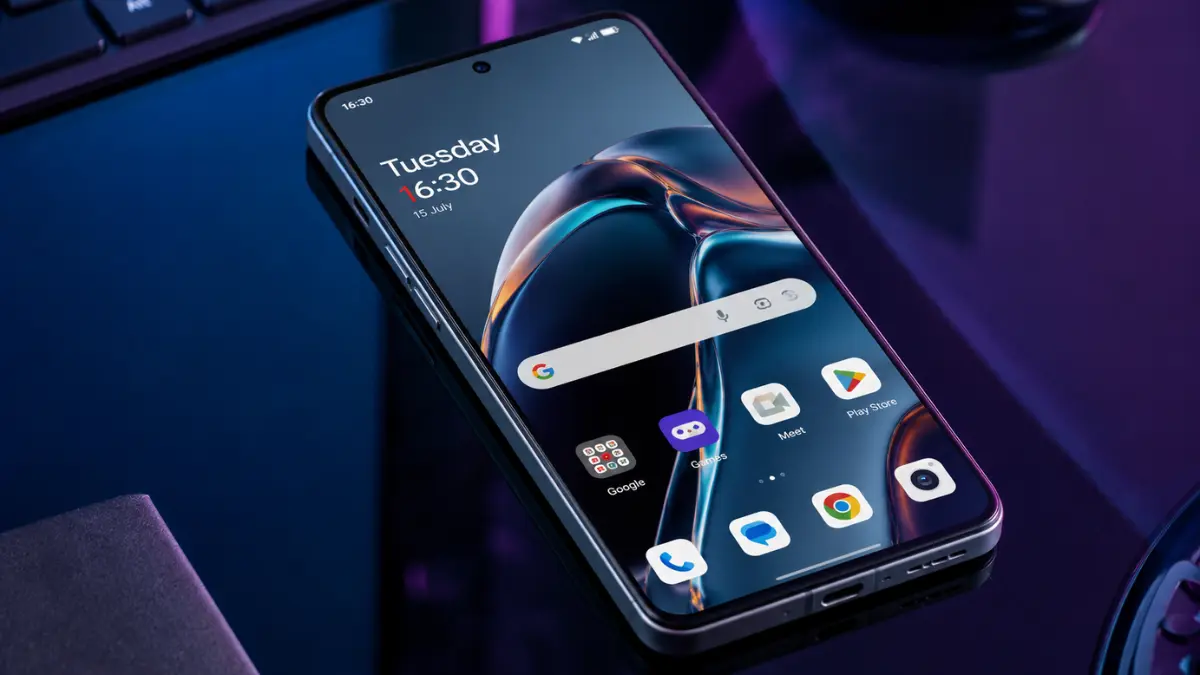
OnePlus: According to an explosive new insider report out of India, parent company Oppo is preparing a massive corporate restructuring that will completely change the identity of these brands. The leak claims that both OxygenOS and Realme UI are being permanently retired. Moving forward, every single device in their lineups—from the budget-friendly Realme handsets all the way up to premium flagships like the OnePlus 15—is reportedly being migrated to Oppo’s own software skin, ColorOS.
What the Leak Tells Us (And Why It Feels Real This Time)
We have to take any insider leak with a grain of salt, especially since neither brand has made an official announcement yet. It is also worth remembering that OnePlus and Oppo tried this exact same “unified OS” merger back in 2021. The fan backlash back then was so fierce and immediate that corporate executives quietly backpedaled a year later, promising to keep the software experiences separate.
So, what changed? Efficiency and global strategy.
While we wait for official confirmation, this leak perfectly aligns with several quiet moves the company has made over the last few months. Just recently, eagle-eyed users noticed that OnePlus’s online storefronts in parts of Europe began subtly redirecting traffic and steering customers toward Oppo’s primary ecosystem. When you look at the physical hardware, the writing has been on the wall for a while. The latest OnePlus 15 heavily borrows its sleek industrial design from Oppo’s Find X9 Pro. Merging the software underneath feels like the final, logical step for a parent company trying to cut costs and streamline its global engineering teams.
The Identity Problem: Why Fans Care So Much
To the casual shopper, software is just software. As long as the phone makes calls, scrolls through social media, and takes crisp photos, the name in the “About Phone” settings menu barely matters.
But OnePlus did not build its cult-like following by appealing to casual shoppers.
The brand became a darling of the tech community because OxygenOS felt like a breath of fresh air. In a market flooded with heavy, bloated, and colorful software skins, OxygenOS was legendary for its clean, lightning-fast, and “stock Android” approach. It felt remarkably close to what Google intended for Android, stripped of unnecessary junk.
Realme UI took a different path, focusing heavily on deep customization and vibrant, youth-centric aesthetics.
Cramming both of these completely distinct communities under the massive umbrella of ColorOS means these unique identities will quietly vanish. Future OnePlus devices might remain incredibly capable, but that lightweight, minimalist soul that defined the brand’s early days will officially be gone.
The Silver Lining: Is ColorOS Actually Bad?
Let’s be completely fair here: this is not entirely a disaster story.
If this consolidation happened five years ago, fans would have every right to panic. Early versions of ColorOS were criticized for being cluttered and mimicking iOS a bit too closely. Today, however, ColorOS is one of the most polished, fluid, and feature-rich skins in the entire Android world. In fact, Oppo has been doing such a great job with optimization lately that innovative features—like their interactive Lockscreen Island—have actually rolled out to OnePlus devices before some of Oppo’s own phones received them.
By consolidating all their developers onto a single software pipeline, the parent company can theoretically:
- Wipe out a massive amount of cross-brand software bugs.
- Drastically speed up the delivery of major Android version updates.
- Focus all their engineering power on building and scaling cutting-edge Artificial Intelligence tools universally.
The Takeaway for Current Owners
If you currently have a OnePlus 15R, a 12R, or a recent Realme phone resting in your pocket, nothing changes for you tomorrow. Your phone will continue running its current software, and your existing update schedules should remain steady for the foreseeable future.
The real test will be the next generation of hardware. If Oppo wants to keep the fiercely loyal OnePlus fanbase from jumping ship to Google’s Pixel or Samsung’s Galaxy lineup, they cannot just slap a generic rebrand over everything. They will need to inject some of that clean, lightweight OxygenOS DNA straight into the core of ColorOS.
Whether corporate boardrooms can balance that kind of fan service with financial efficiency remains to be seen.