
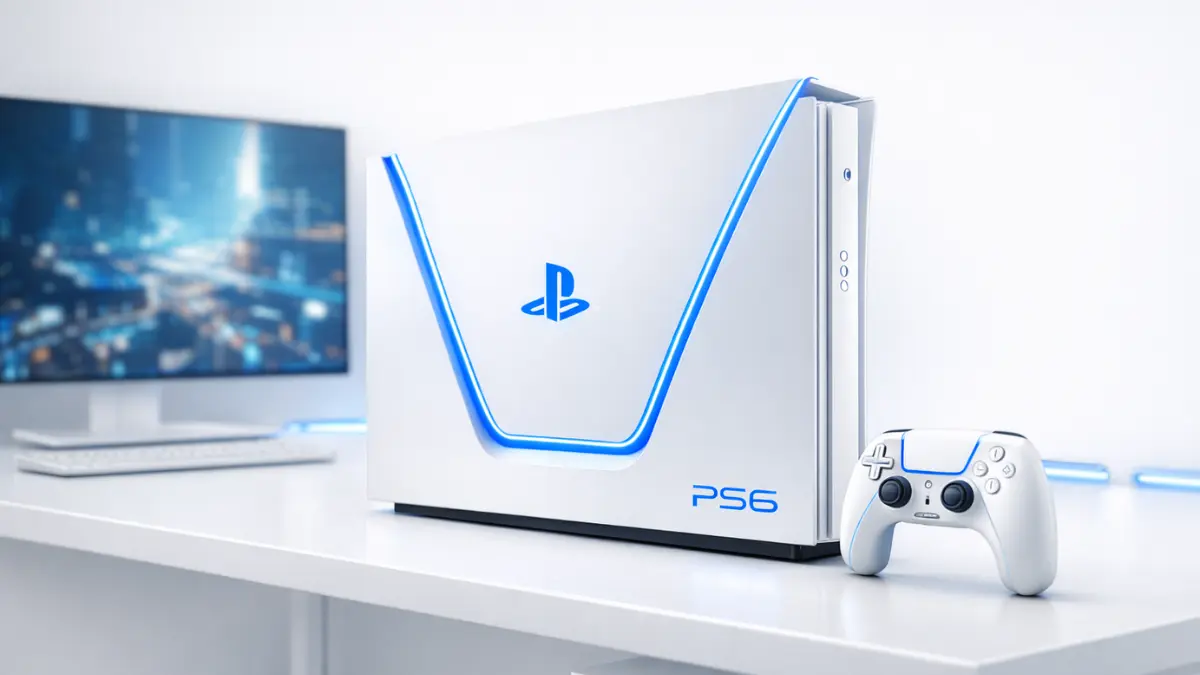
The gaming world is already buzzing with excitement around PlayStation 6 leaks, even though Sony has yet to make an official announcement. A wave of recent leaks and industry reports suggests that the next-generation PlayStation could deliver a massive performance leap—but it may also arrive later than fans initially expected.
Here’s everything we know so far about the PlayStation 6, including its rumored release timeline, expected specifications, pricing outlook, and the key challenges Sony is currently facing.
PlayStation 6 Release Date: Why 2028 or 2029 Looks More Likely
Early speculation pointed to a 2027 launch, following Sony’s traditional 6–7 year console cycle. However, newer reports indicate that Sony may delay the PlayStation 6 until 2028 or even 2029.
The biggest reason behind this potential delay is the global shortage of advanced memory components, particularly high-bandwidth RAM. With AI companies and data centers consuming massive amounts of memory supply, consumer electronics manufacturers—including gaming console makers—are feeling the pressure.
If this delay happens, the PlayStation 5 generation could become the longest-lasting PlayStation era to date.
Expected Hardware Upgrades: A Big Leap Over PS5
Although Sony has not confirmed any specifications, multiple leaks suggest the PlayStation 6 will deliver a dramatic generational upgrade.
Rumored PS6 Hardware Highlights
- Custom AMD processor with next-gen CPU cores
- Advanced Radeon-based GPU optimized specifically for PlayStation
- Support for native 4K gaming at high frame rates
- Stronger ray-tracing performance and AI-assisted upscaling
- Next-generation memory, possibly GDDR7 RAM
Rather than using off-the-shelf PC hardware, Sony is expected to follow its traditional approach—developing custom chips fine-tuned for gaming efficiency and long-term performance.
Pricing Expectations: Can Sony Keep It Affordable?
Pricing remains one of the biggest question marks. Industry insiders believe Sony will try to keep the PlayStation 6 competitively priced, similar to previous launches, to maintain mass-market appeal.
However, rising production costs—especially memory prices—could force Sony to make difficult decisions. If component costs remain high, the PS6 could launch at a higher price point than the PS5, or Sony may delay production further to protect profit margins.
Memory Shortages Could Shape the Entire Console Industry
One of the most important factors affecting the PlayStation 6 is the ongoing memory supply crisis. High-end RAM is increasingly being prioritized for artificial intelligence workloads, making it harder and more expensive for console manufacturers to secure enough supply.
Some analysts warn that this situation could impact future consoles for years, not just Sony’s next PlayStation.
Backward Compatibility and New Gaming Experiences
PlayStation 6 Leaks also suggest that it offers full backward compatibility with PlayStation 5 and possibly PlayStation 4 titles. This would allow players to carry forward their existing libraries while enjoying improved performance on newer hardware.
There are also early rumors about Sony exploring new form factors, including a potential companion handheld or cloud-focused gaming solution tied to the PS6 ecosystem.
Sony’s Strategy: Why Waiting Might Be the Smart Move
Sony continues to see strong sales and engagement with the PlayStation 5, giving the company less urgency to rush a new console. By waiting, Sony can:
- Avoid inflated component costs
- Deliver more powerful and efficient hardware
- Ensure a smoother global launch
For now, Sony appears focused on maximizing the PS5’s lifespan while quietly preparing its next major leap.
What to Expect Next
While leaks and reports give us a strong idea of what’s coming, the PlayStation 6 remains unofficial. A formal reveal is unlikely before 2027, but industry watchers expect early hints or developer discussions to surface well before launch.
Final Takeaway
The PlayStation 6 leaks is shaping up to be a powerful next-generation console, promising major performance improvements and long-term support. However, global supply challenges—especially memory shortages—mean gamers may need to wait a little longer than expected. When it does arrive, the PS6 could redefine console gaming for the next decade.