
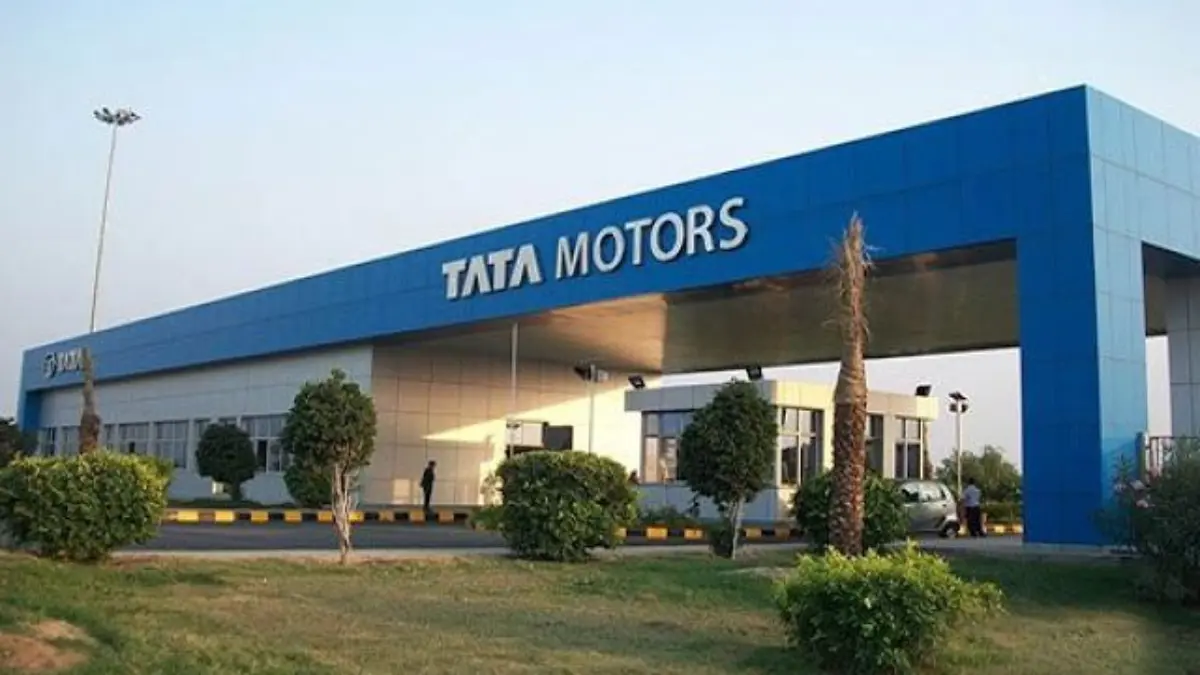
Tata Motors: There was a time when buying your first car in India automatically meant picking a hatchback. They were small, fuel-efficient, easy on the wallet, and perfectly sized for our chaotic city traffic. But over the last few years, a massive wave of compact SUVs has completely taken over the roads. Everyone wants to sit higher, look bigger, and feel more rugged.
This dramatic shift has left the traditional small car fighting for survival. At Tata Motors, hatchbacks used to be a major volume driver, but their share inside the company’s overall passenger vehicle sales has steadily shrunk down to around 15%.
The problem? According to Shailesh Chandra, Managing Director and CEO of Tata Motors Passenger Vehicles, it isn’t that people suddenly hate small cars. It’s that the cars themselves stopped evolving.
“Customers didn’t go away from hatchbacks, but hatchbacks became more functional and less aspirational,” Chandra pointed out ahead of the launch.
In other words, while SUVs got cooler, smarter, and safer, hatchbacks got stuck in the past as basic “budget boxes.” Now, Tata is trying to change that narrative entirely with a thoroughly refreshed, premium avatar of the Tata Tiago.
Tata Motors Packing Big-Car Tech into a Small Footprint
To make buyers fall in love with small cars again, Tata is throwing the kitchen sink at the new Tiago when it comes to technology and creature comforts. They are aiming directly at younger, tech-savvy urban commuters who want premium features without the massive parking headache of a large SUV.
Step inside the updated cabin, and the centerpiece is a crisp, new 26.03 cm HD touchscreen infotainment system that connects wirelessly to your phone. The dashboard has been streamlined with a fully digital instrument cluster and a dedicated smartphone deck that supports wireless charging—clearing up the usual clutter of messy cables.
No More Compromises on Safety
Historically, budget hatchbacks in India were notorious for cutting corners on safety to keep the entry price low. Tata is actively trying to break that stereotype by introducing advanced safety features that were strictly luxury-car territory just a few years ago.
The new Tiago comes equipped with a 360-degree surround-view camera system, giving drivers a bird’s-eye view of their surroundings—a massive help when squeezing into tight parallel parking spots. It also adds a blind-view monitor, an Electronic Stability Program (ESP) to prevent skidding, traction control, and automatic headlamps that turn on by themselves when it gets dark.
For Tata, the goal is simple: prove to the buyer that choosing a smaller car doesn’t mean you value your family’s safety any less.
The Multi-Fuel Strategy: Beating Volatility at the Pump
Tata Tiago 2026 on Road Price
Beyond the tech, Tata’s secret weapon is giving buyers complete freedom over what goes into the fuel tank. The new Tiago is being positioned with a flexible, multi-powertrain lineup, spanning traditional Petrol, their proprietary iCNG technology, and a fully Electric (EV) variant.
| Variant Type | Starting Price (Ex-Showroom) | Main Selling Point |
|---|---|---|
| Petrol / ICE | ₹4.69 Lakh | Pure affordability for budget buyers |
| Electric Vehicle (EV) | ₹6.99 Lakh | Incredibly low running costs & smooth drive |
This diverse lineup arrives at a very interesting time. With ongoing geopolitical tensions in West Asia causing unpredictable swings in global oil prices, Indian consumers are growing highly sensitive to running costs. While Chandra notes that the full impact of these global fuel shocks usually takes two to three months to fully alter buyer behavior on the ground, the trend toward alternative energy is already undeniable.
In fact, driven by the desire to escape unpredictable petrol prices, Tata has already witnessed a massive three-fold surge in demand for its electric vehicles.
The Bottom Line
The launch of the refreshed Tiago.ev is a bold experiment. Tata is betting that if you give consumers a hatchback that feels premium, looks modern, keeps them safe, and offers cheap running costs, they will gladly choose it over a bulky, more expensive SUV. Whether the rest of the market follows suit remains to be seen, but one thing is clear: the era of the boring, bare-bones budget hatchback is officially drawing to a close.