



The death of the Tejas fighter in the Dubai Air Show was shocking to India and the world aviation industry. The incident, which was to demonstrate the indigenous Light Combat Aircraft (LCA) of India, had become a sad scene when the plane crashed in a high intensity manoeuvre that killed Wing Commander Namansh Syal of the Indian Air Force (IAF). Within the context of investigations, there are a number of questions about what has actually happened during the demonstration and how it concerns India Tejas program.
A Routine Demo That Turned Tragic
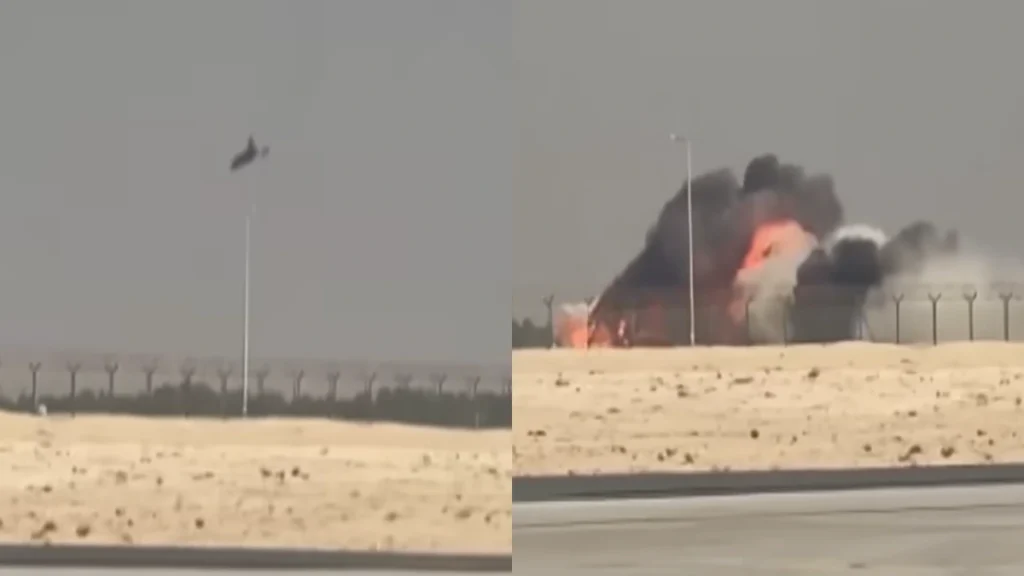
The Tejas fighter was performing all the usual aerobatic routine, according to the reports made by the organizers of the Dubai Air Show, when things went off. According to witnesses, the plane went into negative-G manoeuvre which is a manoeuvre that puts excessive forces on the airframe and the systems of the aircraft.
In this series the plane seemed to lose its course and plunge downwards at a high rate. The Tejas collapsed on the ground before it could regain its balance and a great fire-ball was set up. Emergency forces took only a few seconds to arrive at the accident scene but the pilot was too late. Videos of the incident distributed over the Internet recorded the moments of the end, which led to an immediate concern regarding mechanical breakdown or aerodynamic stall.

What Could Have Caused the Crash?
Although an official Court of Inquiry is in progress, aviation authorities indicate that there are various possibilities of the reason:
1. High-G and Negative-G Stress
Low-level aerobatic manoeuvres do not allow room to make mistakes. An action of a tiny miscalculation or unforeseen system reaction may prove to be lethal.
2. Technical Failure
In the Tejas fighter, there are high technology fly-by-wire controls. Any glitch, in sensors, hydraulics or controls, would upset the stability in an intricate manoeuvre.
3. Environmental Factors
The weather in Dubai is hot, and the desert winds change, making changing weather patterns affect the aircraft performance, particularly when the aerial displays are tight.
4. Pilot Spatial Disorientation
Even experienced pilots may be disoriented by high-speed manoeuvres, particularly when negative-G pushes are involved.
A combination of stress, speed and response of the system could be considered one of the causes although this cannot be proved until the Court of Inquiry issues its findings.
Impact on India’s Indigenous Fighter Programme
The Tejas fighter has served as a beacon of India towards defence self-reliance. The accident is taking place when the IAF is increasing its Tejas fleet of the Mk-1A version. Despite the fact that this event is an immense emotional and reputational blow, defence analysts insist that a single crash does not complete an aircraft programme.
Airshows are dangerous in nature. Frontline fighters such as the F-16, Mirage-2000, F-18, and Eurofighter Typhoon have crashed in airshows without impacting core fleet operations even around the world.
India has already made huge orders of Tejas Mk-1A jets and it is being produced. The crash in Dubai will have a short-term impact on the export campaign and will not probably slow down the domestic induction.
What is the Number of Tejas Fighters that India Has at the moment?
Below is a quick overview of India’s Tejas fighter status based on known IAF orders and inductions:
| Variant | Units Inducted | Notes |
| Tejas Mk-1 | 40 | Two squadrons: No. 45 “Flying Daggers” & No. 18 “Flying Bullets” |
| Tejas Mk-1A | 0 (Deliveries starting 2024–25) | IAF ordered 97 units; induction ongoing |
| Total in Service (2025) | 40 | Operational; more deliveries in progress |
Numbers may change as new deliveries progress in 2025
The Legacy of Wing Commander Namansh Syal
The pilot who died was a senior officer who had more than thousands of flying hours. His courage, prowess and devotion to the Indian aviation developments will be remembered with pride. Condolence messages have been received worldwide; this shows how significant the sacrifice was as well as the symbolism of the Tejas programme.
Conclusion
The Tejas fighter crash at Dubai Air Show is a place of complete grief to the Indian nation and the world at large in terms of defence. Questions have not been answered yet but further investigation will reveal what had occurred in those last seconds. The struggle of the native Indian fighter is an ongoing process and the heritage of those who serve the heavens is even stronger.
Disclaimer
This article is based on publicly available news reports and early aviation expert assessments. Investigation findings by the Court of Inquiry may provide updated or different conclusions. Readers are advised to refer to official IAF statements for final verified information.