


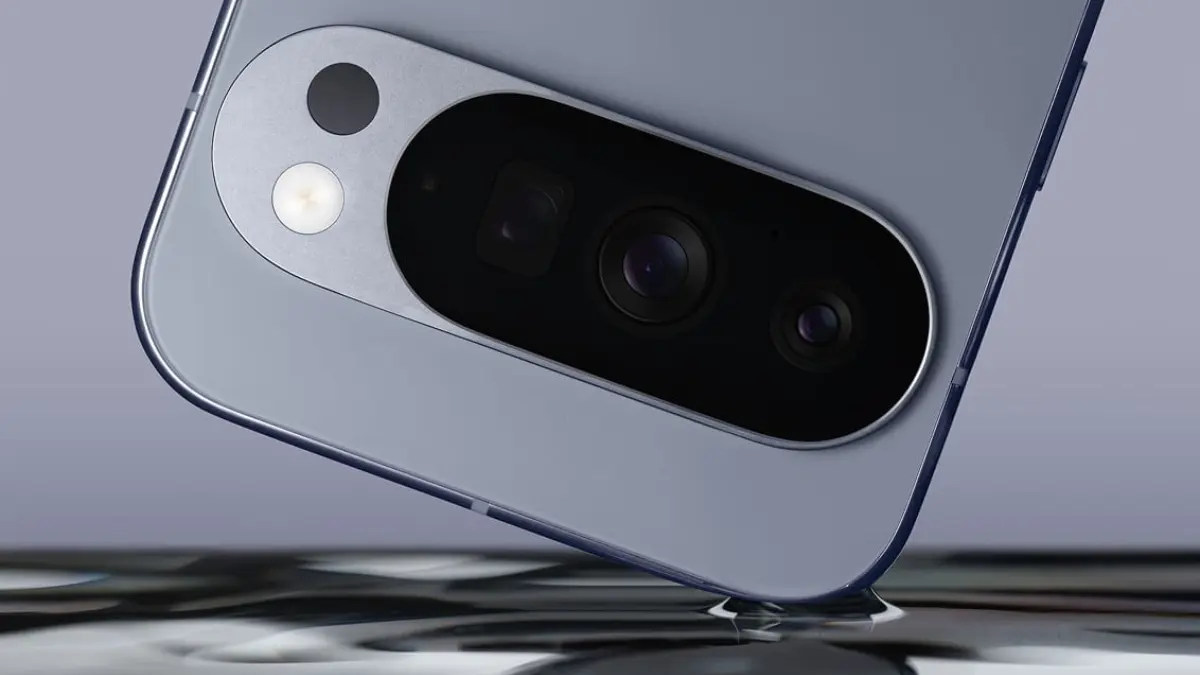


When the Google Pixel 10 Pro XL first dropped, the tech world fell head over heels. The glowing reviews painted it as the ultimate Android experience, praised for its clean software and unparalleled AI smarts. But as any phone enthusiast knows, the real test begins after the honeymoon phase ends.
After months of relying on the Pixel 10 Pro XL as a daily driver, the initial excitement has worn off, revealing a handful of daily frustrations. In fact, these issues recently pushed me to jump ship entirely to a rival flagship.
While the Pixel 10 Pro XL remains a highly capable device, Google made some critical missteps in usability, design weight, and photography that simply shouldn’t happen on a premium device. If Google wants to keep users from straying, here are the three major pain points they must address with the upcoming Pixel 11.
1. The Clunky “Stock” Android Experience
Google’s version of Android has a reputation for being clean and minimal, but there is a fine line between minimalist and restrictive. Over time, the Pixel interface has started to feel less like a blank canvas and more like a rigid box.
The most frustrating part is the lack of layout freedom. For years, users have begged for the option to remove the massive Google Search bar permanently glued to the bottom of the home screen, yet it remains unmovable, eating up valuable screen space. To make matters worse, you still can’t disable the app drawer. If you prefer an organized, iPhone-style home screen layout where all your apps live in clean folders on the main pages, the Pixel Launcher simply won’t let you.
When you compare this to the incredible deep customization options offered by Samsung or Motorola, Google’s software starts to feel surprisingly stubborn and dated.
How the Pixel 11 Can Fix This
With the launch of Android 17, Google needs to remember the original philosophy of Android: ultimate user choice. The Pixel 11 should introduce a completely overhauled launcher that lets users hide persistent search bars, toggle the app drawer on or off, and fine-tune home screen grids. Giving users the power to customize their interface without forcing them to download buggy third-party launchers would instantly breathe new life into the software.
2. A Heavyweight in All the Wrong Ways
We all want premium materials in a flagship phone, but it shouldn’t come at the expense of comfort. The Pixel 10 Pro XL is a remarkably heavy device. Weighing in at a massive 232 grams entirely on its own, it quickly crosses the 260-gram mark the moment you slap on a basic protective case and a glass screen protector.
Holding this phone for an extended period—whether you’re reading an article in bed or navigating through maps on a walk—results in noticeable wrist fatigue. It’s thick, it’s blocky, and it sags heavily in your pocket.
The weight is even harder to justify when you look at the competition. Rivals have successfully engineered larger screens into much lighter bodies, and some folding phones packed with dual displays and complex hinges actually weigh less than this traditional slab phone. A premium device shouldn’t feel like a brick in your hand.
How the Pixel 11 Can Fix This
For the Pixel 11 Pro XL, Google needs to put the chassis on a diet. Without sacrificing the expansive screen size that media lovers crave, they can slim down the body profile and transition to advanced, lightweight alloys for the internal frame. Dropping the weight down to a more manageable 210 to 215 grams would make a massive difference in daily ergonomics and one-handed usability.
3. When Camera AI Goes Too Far
There is no denying that the Pixel 10 Pro XL takes gorgeous photos using its main lens. However, the telephoto zoom lens tells a very different story. Instead of upgrading the actual camera hardware, Google chose to reuse older sensors and rely heavily on generative AI algorithms to handle long-distance shots.
This heavy reliance on AI backfires drastically once you push past the 10x or 20x zoom mark. Rather than cleanly enhancing the image, the AI processing frequently tries to “invent” details that aren’t actually there. In real-world testing, this leads to bizarre visual hallucinations—smooth textures get covered in artificial geometric patterns, distant text gets morphed into unreadable gibberish, and natural landscapes look completely fabricated.
When you buy a premium camera phone, you want a tool that captures reality, not a software program that paints over your photos with AI guesswork.
How the Pixel 11 Can Fix This
The Pixel 11 series needs to balance its software magic with a serious hardware upgrade. Google must invest in a larger, higher-resolution physical periscope zoom lens. By starting with a superior optical image, the Pixel 11 won’t have to rely on AI to hallucinate missing details at 30x zoom. Let the hardware capture the true details, and let the software handle subtle noise reduction and color balancing.
The Ultimate Verdict
The Pixel 10 Pro XL is incredibly close to being a perfect smartphone, but its flaws are the kind that chip away at your patience over months of daily use. If Google can deliver an Android 17 experience that prioritizes user freedom, refines the physical ergonomics to be lighter, and grounds its famous camera system in stronger hardware, the upcoming Pixel 11 won’t just be a great AI showcase—it will be an unbeatable daily companion.