
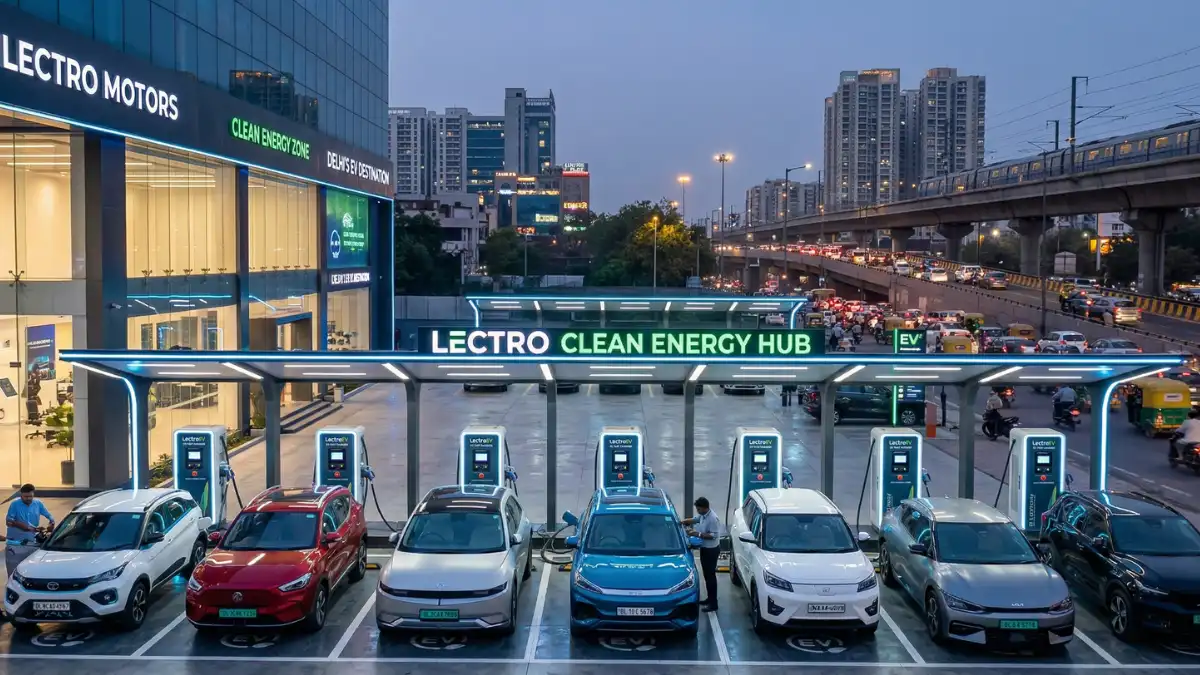
Electric Vehicles: In a strong push toward clean mobility, the Delhi Government is preparing to roll out its ambitious Delhi EV Policy 2026, which could make it compulsory for automakers to install electric vehicle (EV) charging stations at their dealerships. The move aims to tackle one of the biggest barriers to EV adoption—limited charging infrastructure.
Charging Stations at Every Dealership
Under the proposed policy, vehicle manufacturers may soon be required to set up at least one EV charging station at each dealership across Delhi. These stations are expected to support multiple vehicle types, including electric two-wheelers, three-wheelers, and cars.
With hundreds of dealerships operating in the capital, this step could rapidly expand the public charging network, making EV ownership far more practical for everyday users.
A Major Boost To Electric Vehicles Infrastructure
The policy reflects a broader vision to significantly scale up EV infrastructure in the city. Officials are planning a sharp increase in charging points—from around 9,000 currently to nearly 36,000 in the coming years.
This expansion will include:
- Public charging stations in residential and commercial areas
- Battery-swapping facilities for quick turnaround
- Greater private sector participation
The idea is simple: more charging points mean less “range anxiety” and higher consumer confidence.
Making EVs More Accessible and Affordable
Beyond infrastructure, the new policy also focuses on improving affordability. Automakers may be encouraged to ensure a steady supply of EVs across different price segments while working toward more stable pricing.
At the same time, the government is expected to continue offering:
- Purchase incentives for EV buyers
- Road tax exemptions
- Financial support for scrapping old petrol and diesel vehicles
These measures aim to make electric vehicles a realistic option for a wider section of society.
Targeting 30% Electric Vehicles Adoption by 2030
The Delhi government has set a clear and ambitious goal—30% of all vehicles in the city should be electric by 2030.
To achieve this, the policy combines:
- Infrastructure expansion
- Financial incentives
- Policy support for manufacturers
- Promotion of electric public transport, including buses
If executed effectively, this could transform Delhi into one of India’s leading EV ecosystems.
Challenges That Still Need Attention
While the plan is promising, there are a few practical hurdles:
- Heavy reliance on private players for charging infrastructure
- Pressure on the city’s electricity grid
- Slower adoption in commercial and heavy vehicle segments
Experts believe that addressing these issues early will be key to the policy’s long-term success.
A Step Toward a Cleaner Future
Delhi’s Electric Vehicles Policy 2026 is more than just a regulatory update—it’s a clear signal of the city’s commitment to cleaner air and sustainable transport. By making charging more accessible and EVs more affordable, the government is laying the groundwork for a future where electric mobility becomes the norm rather than the exception.
If implemented as planned, this policy could not only reshape how Delhi moves but also set a benchmark for other Indian cities to follow.