
Introduction: A New Battle in the 350cc Segment
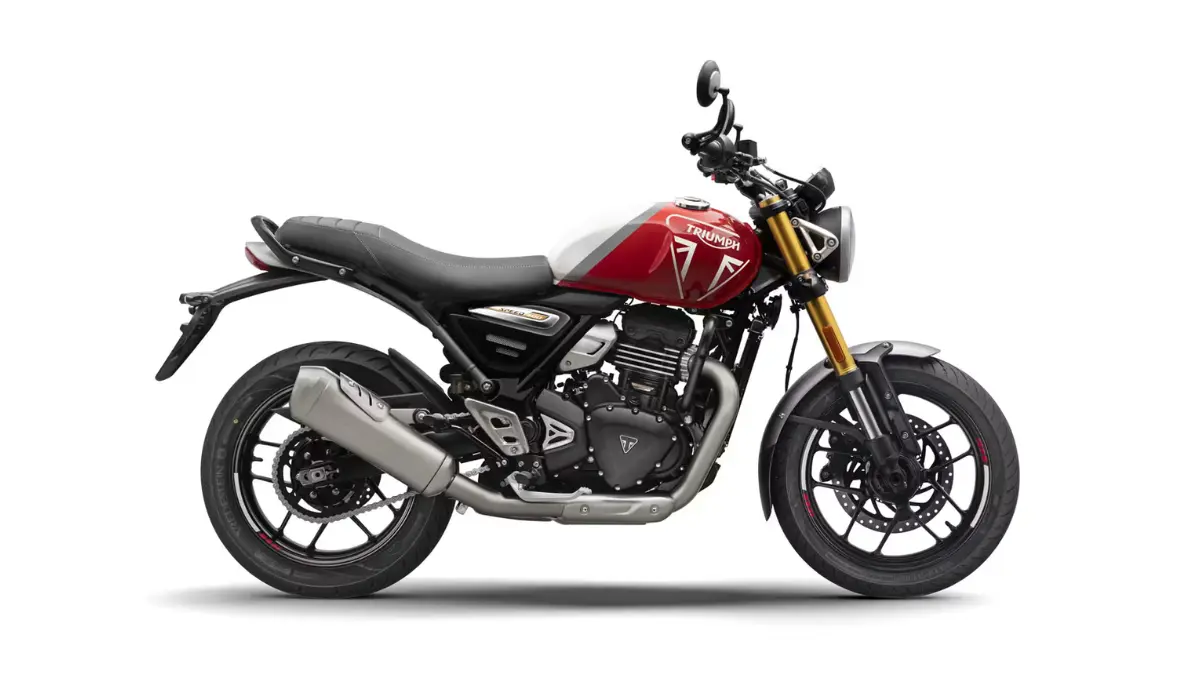
Triumph Tracker 400: The Indian motorcycle market is witnessing a fresh wave of competition in the mid-capacity segment. With the updated Triumph Speed 400, the brand has stepped directly into the territory long dominated by the Royal Enfield Classic 350 and Honda CB350.
But does the Speed 400 really outshine its rivals, or is it just another premium alternative? Let’s break it down.
Engine & Performance: Power Meets Refinement
Performance is where the Speed 400 makes an immediate impression.
- Triumph Speed 400: 37 hp, 32 Nm torque, 6-speed gearbox
- Honda CB350: 21 hp, 29.5 Nm torque
- Royal Enfield Classic 350: 20.2 hp, 27 Nm torque
The Triumph’s liquid-cooled engine and modern engineering give it a clear edge. It feels quicker, smoother at high speeds, and more engaging overall.
Meanwhile, the Honda and Royal Enfield bikes focus on low-end torque, offering a relaxed and easy-going riding experience—perfect for daily commutes and long cruises.
Simply put: Triumph Tracker 400
- Triumph = Fast & exciting
- Honda & Royal Enfield = Calm & comfortable
Weight & Practicality: Lightness Matters
When it comes to handling, weight plays a crucial role.
- Speed 400: 179 kg (lightest)
- CB350: 186 kg
- Classic 350: 195 kg
The lighter weight of the Speed 400 makes it easier to handle in city traffic and more agile on twisty roads.
However, the Honda CB350 offers a larger fuel tank, making it slightly more practical for long-distance touring.
Ride & Hardware: Modern vs Traditional Feel
This is where the biggest difference lies.
Triumph Speed 400
- Upside-down (USD) front forks
- Monoshock rear suspension
- 17-inch wheels
- Sporty riding dynamics
Honda CB350 & Classic 350
- Telescopic front forks
- Twin rear shock absorbers
- Classic, comfort-focused setup
The Speed 400 feels modern, sharp, and responsive, while the CB350 and Classic 350 deliver a soft, plush, and relaxed ride.
Features & Technology: Premium Touch
The Speed 400 offers a more contemporary package with better hardware and engineering finesse.
While the Honda CB350 includes useful features like traction control and refined electronics, and the Classic 350 sticks to a more traditional approach, the Triumph strikes a balance between modern tech and premium feel.
Also Read: Triumph 350cc Motorcycles to Launch in India on April 8: Here’s What to Expect
Price Comparison: Value vs Premium Appeal
- Classic 350: ₹1.86 lakh – ₹2.21 lakh
- Honda CB350: Around ₹2 lakh
- Speed 400: ₹2.32 lakh
The Royal Enfield Classic 350 remains the most affordable option, making it attractive for budget-conscious buyers.
The Speed 400, on the other hand, justifies its higher price with better performance, lighter weight, and superior hardware.
What Makes the Speed 400 Different?
Triumph’s strategy is clear—offer a premium yet accessible motorcycle. By positioning the Speed 400 in this segment, the brand is targeting riders who want something more exciting than traditional 350cc bikes.
It’s not just about commuting anymore—it’s about experience and thrill.
Final Verdict: Which One Should You Choose?
Go for Triumph Speed 400 if you want:
- Best-in-class performance
- Modern design and hardware
- A sporty, engaging ride
Go for Honda CB350 if you want:
- Smooth and refined engine
- Comfortable long rides
- Balanced everyday usability
Go for Royal Enfield Classic 350 if you want:
- Timeless retro design
- Strong brand legacy
- Affordable pricing
Conclusion: A Segment Redefined
The arrival of the Triumph Speed 400 has reshaped expectations in the 350cc segment. It brings performance and premium feel that were previously missing at this price point.
However, the Honda CB350 and Royal Enfield Classic 350 still hold their ground with comfort, reliability, and classic appeal.
In the end, your choice depends on one simple question:
👉 Do you want thrill or tradition?