
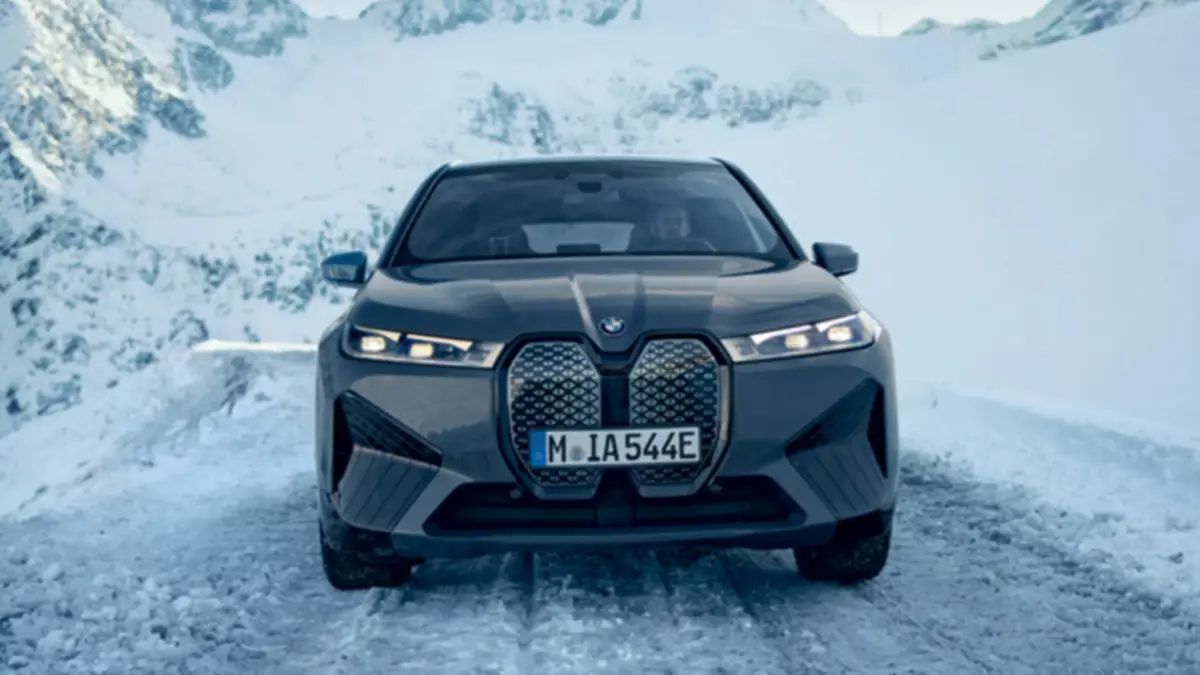
BMW: If you want to see how global geopolitics directly impacts consumer choices, take a look at high-end driveways across India. A fascinating shift is underway in the luxury automotive sector: affluent buyers are rapidly trading their conventional fuel vehicles for electric alternatives.
Leading this quiet revolution is German automaker BMW, which just posted record-breaking electric vehicle (EV) sales in India for the first quarter of 2026. But the driving force behind this surge isn’t just a desire to go green—it is a direct reaction to the ongoing conflict in West Asia and the resulting anxiety over global oil prices.
Here is a closer look at why luxury buyers are plugging in, and what it means for the future of mobility in India.
The Numbers Speak: BMW’s Electrifying Q1
The adoption of premium electric vehicles has moved from a slow crawl to a full-on sprint. According to recent data released by BMW Group India (which includes the iconic MINI brand), the company is experiencing a watershed moment in the subcontinent.
While their overall sales grew by a respectable 17% year-on-year (reaching 4,567 units in Q1), their EV portfolio completely stole the show:
- Massive Volume Growth: The brand sold 1,185 electric vehicles in just three months, representing a staggering 83% year-on-year increase.
- A New Standard: EVs now account for one in every four cars BMW sells in India.
- Market Dominance: BMW continues to hold an iron grip on the luxury EV space, commanding an impressive market share of over 70%.
The ‘West Asia’ Effect on the Indian Garage
So, what is pushing luxury buyers over the edge and into the driver’s seat of an EV? According to Hardeep Singh Brar, President and CEO of BMW Group India, the answer lies thousands of miles away.
“In March, especially because of this oil crisis, and negativity around oil disruption and increase in oil prices… a lot of people have started feeling that EV is the right way to move forward,” Brar explained.
India imports over 80% of its crude oil, making the domestic market highly sensitive to disruptions in the Middle East. For a luxury car buyer, the primary concern isn’t necessarily finding the budget for expensive petrol. Rather, it is about insulating themselves from the unpredictability and volatility of fossil fuels.
Owning an EV transforms the fueling experience from a fluctuating daily expense into a predictable, manageable routine. The ability to simply plug in at home or the office has become the ultimate modern luxury: peace of mind.
Also Read: BMW Warns Tariffs Could Keep Car-Making Profits Flat in 2026
Beyond the Metros: BMW’s Aggressive 2026 Roadmap
Interestingly, while the broader luxury vehicle segment in India has shown signs of moderation—largely due to business owners preserving cash flow amidst global uncertainty—BMW’s EV segment is charting its own upward course.
Sensing this momentum, BMW is doubling down on its Indian operations with an aggressive expansion strategy for the remainder of 2026:
- A Flood of New Options: The automaker plans to introduce 27 new products this year alone (four have already hit the market).
- Expanding the Footprint: BMW is adding 90 new touchpoints to its existing 97-store network.
- Tapping New Wealth: Most notably, the brand is entering 10 new domestic markets.
This expansion into Tier-2 cities is a massive indicator that high-speed charging infrastructure, long considered the Achilles’ heel of EV adoption, is finally catching up to consumer demand outside of the major metropolitan hubs.
The Big Takeaway
The surge in BMW’s electric sales highlights a crucial turning point. Previously, the Indian EV narrative was dominated by budget-friendly two-wheelers and government fleet subsidies. Today, the premium market is growing organically, driven by shifting consumer psychology and a desire for stability.
While a prolonged crisis in West Asia could eventually weigh on the broader economy, the immediate reaction is clear. For India’s luxury car buyers, the future isn’t just electric—it’s already here, parked in the garage, and fully charged.