


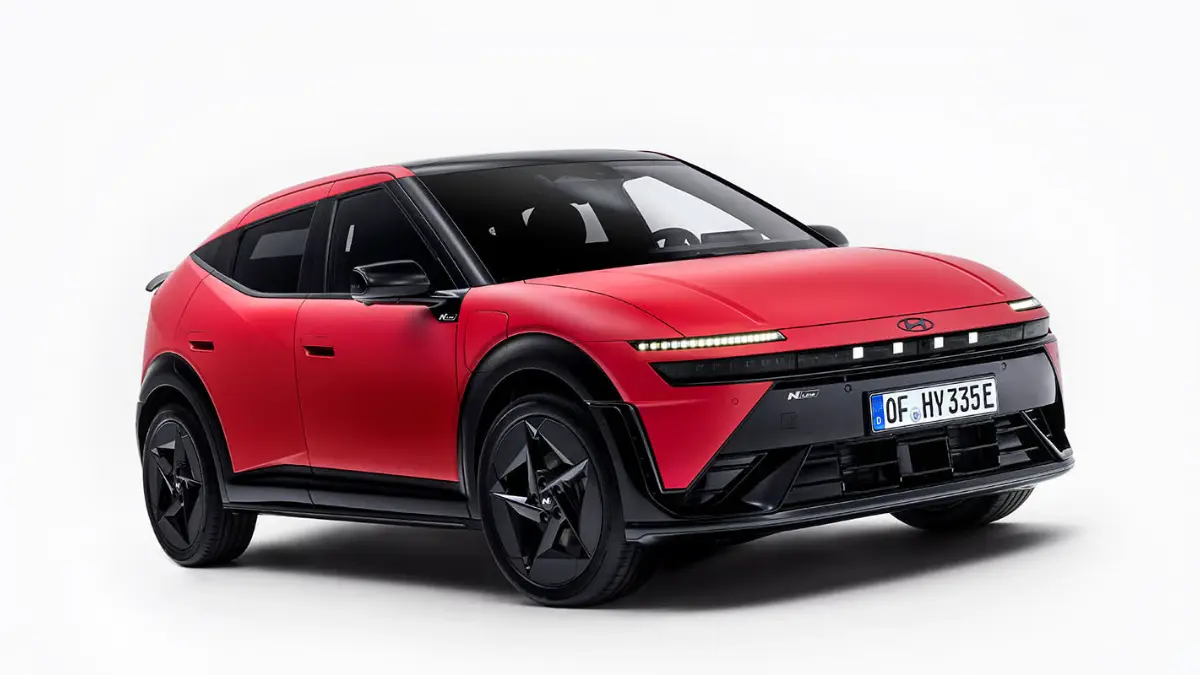


Hyundai Ioniq 3: The “compact electric car” just got a massive upgrade. Hyundai has officially pulled the curtain back on the IONIQ 3, and it’s clear they aren’t just trying to fill a gap in their lineup. With the introduction of what they call the “Aero Hatch” typology, Hyundai is attempting to solve the biggest headache for small car owners: how to get aerodynamic efficiency without sacrificing the “living room” feel of the interior.
By prioritizing a blend of high-end tech and “simple” usability, the IONIQ 3 is designed to be the electric car for people who find modern EVs too complex.
A Silhouette Built for the Wind
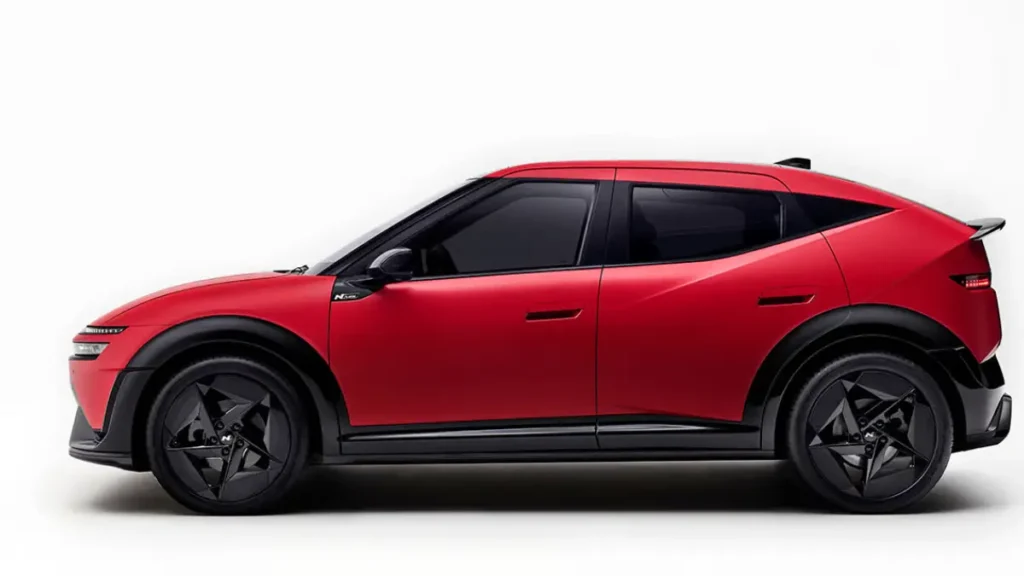
At first glance, the IONIQ 3 stands out because of its unique geometry. Most hatchbacks are boxy, which creates drag. Hyundai’s “Aero Hatch” design features a low, aggressive front end that flows into a roofline that stays high over the passengers before diving sharply into a rear spoiler.
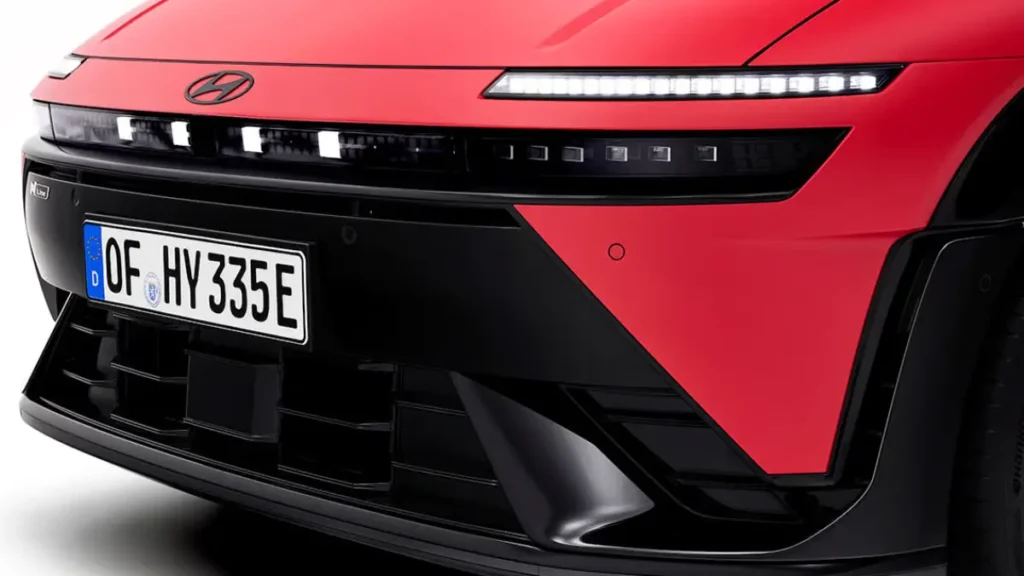
The result? A 0.263 drag coefficient—one of the best in its class. This isn’t just for looks; it’s the secret sauce that allows the car to squeeze nearly 500 km of range out of its battery. It keeps the signature “Pixel” lights we’ve come to love on the IONIQ 5, but adds a sleek, “Art of Steel” precision that makes it look like a concept car brought to life.

The “Furnished Space”: More Room Than You’d Expect
One of the most impressive feats of the IONIQ 3 is how it feels inside. Despite its compact exterior, the long wheelbase and flat floor create an interior Hyundai calls a “Furnished Space.”
Instead of a cramped cockpit, you get a cabin inspired by 1970s Italian furniture design. It uses recycled textiles and bio-based materials that feel premium rather than “plastic-y.”
Also Read: Shadow on the Streets: Hyundai Unveils the VENUE Knight Edition
- The Megabox: The real hero for daily use is the 119-liter “Megabox” hidden under the trunk floor. Combined with the standard trunk, you get a total of 441 liters of storage—a benchmark for a car of this size.
- Rear Comfort: Unlike most compacts where the back seat is an afterthought, the IONIQ 3 is a genuine five-seater, comfortably accommodating three adults in the rear thanks to the optimized roofline.
Technology That Simplifies, Not Complains
Hyundai is using the IONIQ 3 to debut its new Pleos Connect infotainment system in Europe. Based on Android Automotive OS, the system is designed to feel like a smartphone—intuitive, fast, and customizable.
You’re looking at a choice between a 12.9-inch or a massive 14.6-inch display. But the tech goes beyond the screen:
- Digital Key 2: You can leave your keys at home and use your smartphone or Apple Watch to unlock and start the car.
- Smart Charging: It supports 22 kW AC charging and can jump from 10% to 80% in about 29 minutes on a DC fast charger.
- V2L (Vehicle-to-Load): Whether you need to charge your laptop during a road trip or plug in a coffee maker while camping, the IONIQ 3 acts as a giant power bank.
Hyundai IONIQ 3 Range and Performance: Built for the Real World
Hyundai understands that “range anxiety” is still the biggest hurdle for buyers. They are addressing this with two distinct battery options:
- The Daily Commuter: A 42.2 kWh battery offering 344 km (WLTP).
- The Long-Distance Runner: A 61 kWh battery targeting a class-leading 496 km.
With a top speed of 170 km/h and a smooth 0–100 km/h sprint in roughly 9 seconds, it’s built for effortless highway cruising and zippy city maneuvering.
Final Verdict: Is it a Game Changer?
The IONIQ 3 isn’t just another EV; it’s a statement that “entry-level” doesn’t have to mean “basic.” By bringing Highway Driving Assist 2, Remote Parking, and premium sound systems into a compact frame, Hyundai is making a strong case for the IONIQ 3 as the new gold standard for urban electric mobility.
Quick-Look Specifications:
- Battery: 42.2 kWh / 61 kWh
- Range: Up to 496 km (WLTP)
- Charging: 10-80% in ~29 mins
- Storage: 441 Liters (Total)
- Safety: SmartSense ADAS (HDA2, RSPA, BVM)