
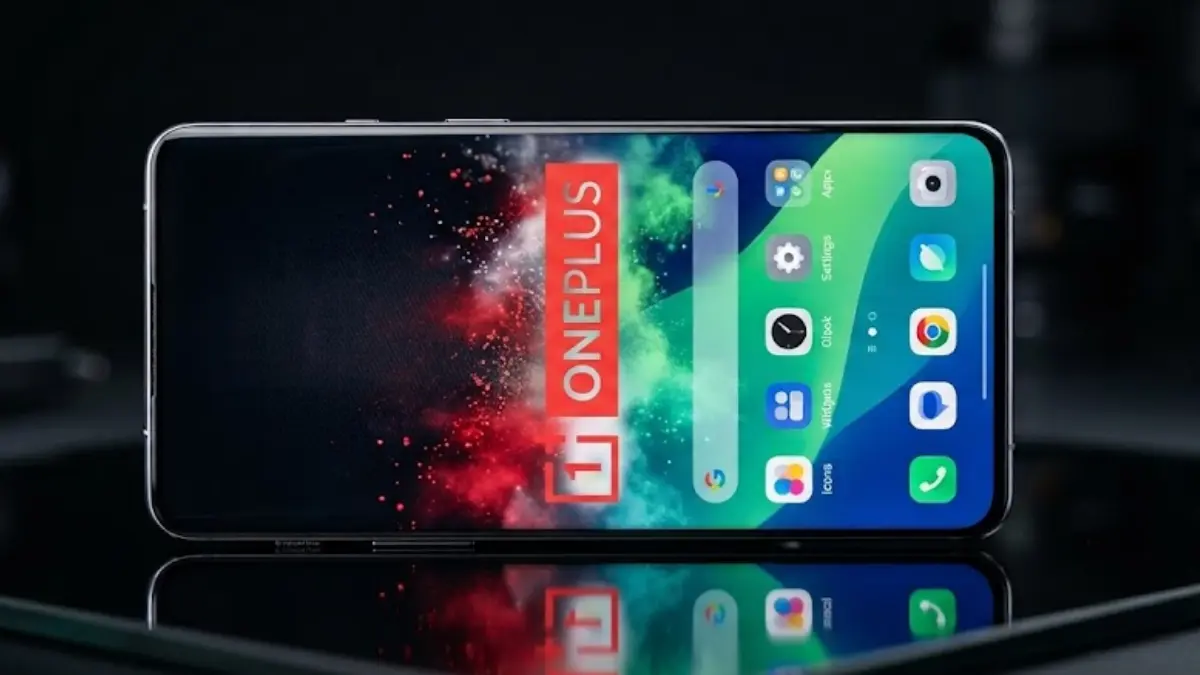
OnePlus Software Updates: OnePlus has quietly dropped a software bombshell. The brand’s fiercely loved Android skin, OxygenOS—the very soul of what made a OnePlus phone feel like a OnePlus phone—is officially being retired.
Starting with the upcoming Android 17 deployment, the company is consolidating its entire global ecosystem. Every active, eligible OnePlus device on earth will be pushed to a new path: a mandatory voluntary migration straight into Oppo’s native operating system, ColorOS.
OnePlus Software Updates
The Corporate Reality Behind the Software Shakeup
To understand how we got here, we have to look at the broader chess board at BBK Electronics, the parent conglomerate behind both Oppo and OnePlus. For the last couple of years, OnePlus has been visibly fading from Western shelves due to logistical and legal hurdles. While the company insists it will remain alive and well in crucial strongholds like India, the reality behind the scenes paints a different picture.
Maintaining two entirely separate software teams for what are essentially the same internal phone parts is an expensive luxury. By forcing a migration to ColorOS, the engineering teams can finally stop rewriting the same code twice.
OnePlus corporate phrased the pivot as a victory for efficiency, noting that the change will let them streamline development, push out security patches faster, and make better use of shared research and development capabilities.
It makes operational sense, sure. But for the purists who remember the early days of the “Never Settle” community, it feels like the final corporate assimilation of a once-rebellious startup brand.
What Happens When Android 17 Drops?
If you are currently holding a recent OnePlus device, you are probably wondering what happens to your phone when the notification for Android 17 lands. Here is exactly how the rollout is going to split:
- The Main Transition: When ColorOS 17 goes live globally, eligible OnePlus users will be prompted to make the leap over to the Oppo ecosystem interface.
- The Safety Net: Recognizing that this might alienate long-time fans, OnePlus is promising an official “rollback” path. If you download ColorOS and absolutely hate it, you will be allowed to flash your device back down to the final legacy version of OxygenOS.
- Older Devices: If your specific phone model is already nearing the end of its life cycle and isn’t eligible for Android 17, don’t panic. OnePlus has committed to providing baseline maintenance and security patches for older OxygenOS builds until their natural expiration dates.
Goodbye to the Fluid, Minimalist Legacy
For a long time, the only major difference between an Oppo phone and a OnePlus phone was the execution of the software. ColorOS has traditionally leaned heavily into vibrant, highly customized, and heavily layered design paradigms popular in Asian markets. OxygenOS, on the other hand, won the hearts of global tech enthusiasts by keeping things incredibly close to “Stock” Android—clean typography, minimal bloatware, and smart background memory management that didn’t aggressively kill your apps to save battery.
Truthfully, the lines have been blurring for years; recent versions of OxygenOS already shared the exact same structural skeleton as ColorOS. But this announcement removes the mask entirely.
Interestingly, OnePlus isn’t the only one making this move. Realme, another popular sibling brand under the Oppo umbrella, has also confirmed it will dump its custom branding to join the unified ColorOS 17 standard. The era of the boutique Android skin is officially drawing to a close, replaced by the streamlined efficiency of the corporate tech stack.