
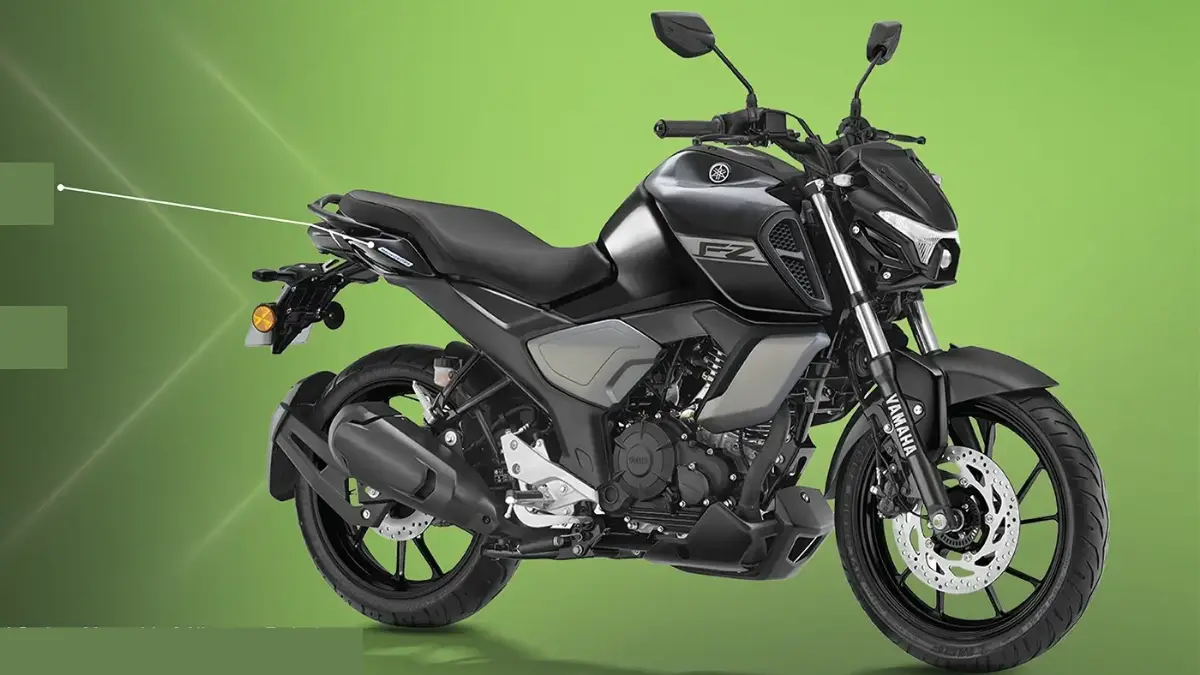
India Yamaha Motor has officially introduced its very first flex-fuel motorcycle: the Yamaha FZ Blue Flex Price at ₹1,24,240 (ex-showroom), this new version of the popular FZ commuter series is engineered to run seamlessly on ethanol-blended fuels, handling anything from E20 (20% ethanol) all the way up to high-concentration E85 (85% ethanol).
With this launch, Yamaha establishes itself among the early-moving manufacturers in India—joining the likes of Hero MotoCorp and Suzuki—that are adjusting production lines to back the Indian government’s aggressive push toward green, domestically produced alternative fuels.
Yamaha FZ Blue Flex Launch
Engineering for Biofuels: What Changes Under the Hood?
Because ethanol is highly corrosive compared to standard petroleum, you can’t just pour it into a regular petrol engine without causing severe long-term damage. To safely handle high-concentration ethanol blends like E85, Yamaha’s engineering team had to thoroughly overhaul multiple critical internal components.
- Hardier Materials: The standard fuel lines, rubber gaskets, and fuel system seals have been replaced with chemical-resistant, ethanol-compatible materials that won’t degrade over time.
- Smart ECU Calibration: The motorcycle features completely revised engine mapping. A sophisticated Engine Control Unit (ECU) automatically measures the exact chemical ratio in the fuel tank and adjusts ignition timing and air-fuel mixtures on the fly.
- A Refreshed Look: Beyond the technical updates, the bike gets a subtle visual identity refresh, featuring exclusive “Blue Flex” graphics and branding elements that set it apart from standard FZ trims.
Real-World Performance and Specifications
Powering the Yamaha FZ Blue Flex is a specially tuned version of Yamaha’s trusted 149cc, air-cooled, single-cylinder Blue Core engine. Because ethanol has a lower energy density than pure gasoline, the power figures have been slightly recalibrated to preserve engine reliability and long-term durability.
| Attribute | Specification |
| Engine Capacity | 149cc, Air-cooled, Single-cylinder |
| Maximum Power | 11.7 PS |
| Peak Torque | 12.8 Nm |
| Transmission | 5-speed manual |
| Fuel Compatibility | E20 to E85 ethanol blends |
While the engine outputs slightly lower performance numbers than its standard petrol-only counterpart, it maintains the solid urban commuter features that drivers expect from the FZ lineup. The bike retains its signature LED headlamp, fully digital instrument console, single-channel ABS, front and rear disc brakes, and Bluetooth connectivity supported through the Yamaha Y-Connect application.
The Big Picture: Why India is Pushing for E85 Flex-Fuels
The launch of Yamaha FZ Blue Flex comes at a critical juncture for India’s automotive sector. The Government of India has heavily encouraged manufacturers to develop flexible-fuel alternatives to achieve several major goals:
- Slashing Crude Imports: Transitioning to locally grown ethanol mitigates the heavy financial burden of relying on foreign oil.
- Cleaner Air: High-blend biofuels dramatically drop carbon monoxide and hydrocarbon outputs from the tailpipe, contributing to cleaner urban air quality.
- Boosting Farmers: India’s ethanol is largely derived from agricultural surpluses like sugarcane and damaged food grains, funneling financial benefits directly back into the local farming ecosystem.
Our Take: A Practical Bridge to the Future
Yamaha FZ Blue Flex might not win any street races against the standard FZ, but that isn’t really its objective. Instead, it acts as a highly practical technological bridge between traditional internal combustion engines (ICE) and full battery electric vehicles (EVs).
While the motorcycle is ready for high-blend ethanol right now, its real-world success will depend entirely on how quickly the national fueling infrastructure rolls out dedicated E85 pumps across local fuel stations. By launching this model now, Yamaha ensures it is strategically positioned well ahead of the curve as the nation’s green fueling infrastructure catches up.