




Siri AI Features: For years, the tech industry has operated on a “promise now, patch later” philosophy. But this week, that philosophy met a quarter-billion-dollar roadblock.
Apple Inc. has officially moved to settle a massive $250 million class-action lawsuit. The core of the grievance? A gap between the glittering AI promises made on stage at the Steve Jobs Theater and the actual software that arrived in users’ pockets. While the settlement allows Apple to avoid admitting fault, it marks a significant shift in how we hold tech giants accountable for “AI Vaporware.”
Siri Ai Features
Grand Illusion of 2024
The seeds of this legal battle were sown during the 2024 Worldwide Developers Conference (WWDC). It was the year of “Apple Intelligence.” We were promised a Siri that didn’t just set timers, but understood our lives—an assistant that could navigate apps, summarize weeks of emails, and act with human-like nuance.
However, as many early adopters of the iPhone 16 and 17 found out, those features were perpetually “just around the corner.” By the time the lawsuits were filed, the gap between the marketing hype and the user experience had become too wide to ignore.
Cost of “Coming Soon”
The $250 million settlement isn’t just about a delayed software update; it’s about the ethics of hardware sales. The plaintiffs argued that Apple used its upcoming AI capabilities as the primary incentive to drive a massive hardware upgrade cycle. When those features were delayed into 2025 and 2026, consumers felt they had purchased a product based on a future that didn’t exist yet.
For the average user, this settlement is a victory for transparency. It suggests that “Coming Soon” is no longer a legal shield for companies looking to boost quarterly hardware numbers with software that isn’t ready for prime time.
Behind the Curtain: AI Engineering Struggle
Why the delay? Insiders suggest that integrating Large Language Models (LLMs) directly onto a device while maintaining Apple’s strict privacy standards was a much steeper mountain to climb than anticipated. Unlike Cloud-based AI (like ChatGPT), Apple’s “On-Device” approach requires incredible optimization.
- Privacy vs. Speed: Making Siri smart without sending your data to a server is an engineering nightmare.
- Battery Constraints: Running heavy AI models locally drains mobile batteries at an unsustainable rate.
- The Competition: Apple was under immense pressure to keep up with Google’s Gemini and Samsung’s AI integration, leading to a marketing push that outpaced the engineering reality.
Looking Ahead: A New Era of Accountability
As we look toward WWDC 2026, the stakes have never been higher. Apple is expected to finally debut the “full” version of the Siri they promised two years ago. But the landscape has changed. Investors and consumers are no longer content with pre-rendered demos and “visionary” keynote speeches; they want code that compiles and features that ship.

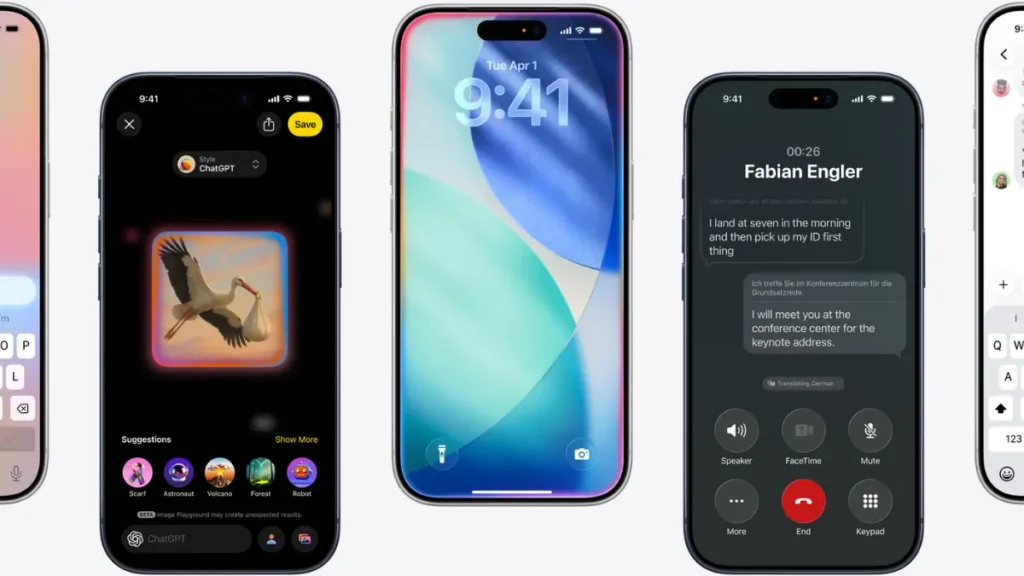
This $250 million payout is a “drop in the bucket” for Apple’s $3 trillion valuation, but it is a massive signal to the rest of Silicon Valley. The era of selling AI dreams to move hardware reality is officially under scrutiny.
Bottom Line for Consumers
If you purchased an iPhone specifically for the “Apple Intelligence” features between 2024 and 2025, keep an eye on your inbox. A formal claims process is expected to launch following the court’s final approval of the settlement later this year.
As for the rest of us? We’ve learned a valuable lesson: In the age of AI, a feature isn’t real until it’s in the Settings menu.