


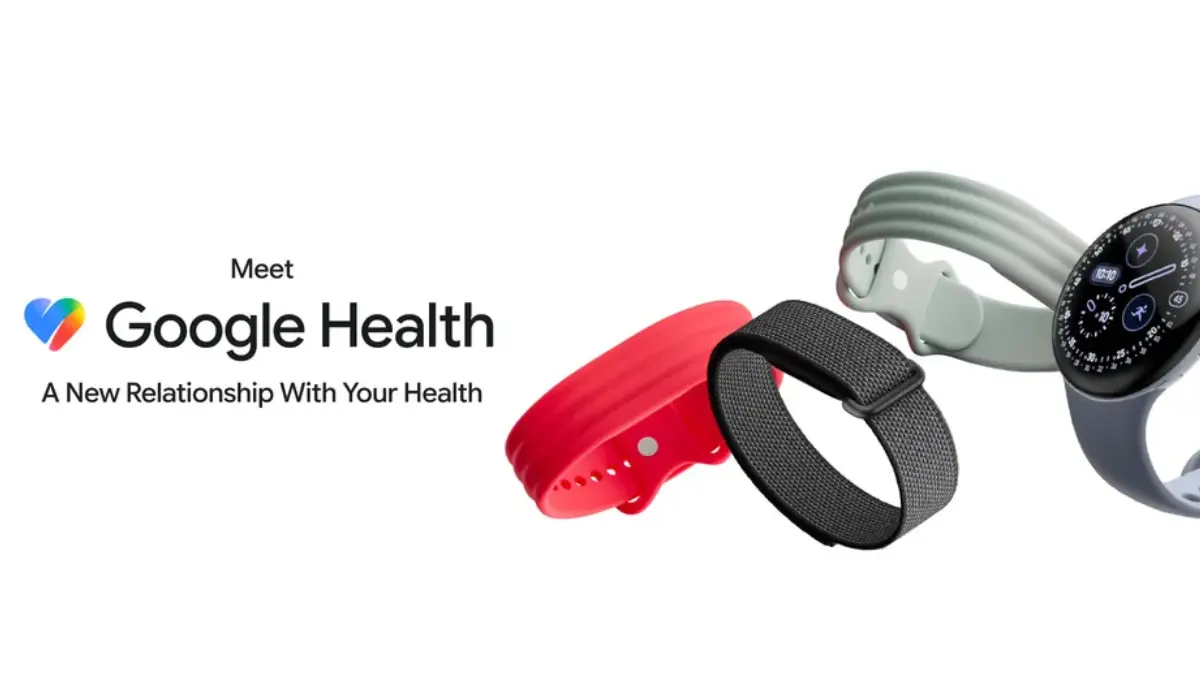


Fitbit Air: For years, we’ve used our fitness trackers as high-tech pedometers—glancing at our wrists to see if we hit that magic 10,000-step goal. But today, Google is flipping the script. In a massive announcement, the tech giant has officially moved beyond simple tracking, aiming instead to become a true partner in our long-term wellness.
If you’ve been using the Fitbit app, things are about to look very different—and much smarter. Here is everything you need to know about the “Google Health” evolution.
A Unified Home: Fitbit Becomes Google Health
The most immediate change is the rebranding of the Fitbit app to simply Google Health. It’s more than just a name change; it’s a consolidation of your entire medical and physical life.
Instead of jumping between a fitness tracker for your heart rate and a hospital portal for your blood test results, the new Google Health app acts as a secure, single-pane-of-glass view of your body. It integrates your wearable data with official medical records, giving you a context that a simple step count never could.
AI Health Coach: A Personal Expert in Your Pocket
Perhaps the most exciting news is the launch of the Google Health Coach. Powered by Google’s Gemini AI, this isn’t a chatbot that spits out generic advice. It’s an intelligent system that learns your patterns.
Also Read: CMF Watch 3 Pro India Launch Confirmed: Everything We Know So Far
If you had a poor night’s sleep, the Coach won’t just tell you that you’re tired; it might notice that your resting heart rate was slightly elevated and suggest a lighter “active recovery” walk instead of your planned heavy gym session.
- When can you get it? Public rollout begins May 19.
- The Cost: Included in the $9.99/month Premium tier (and bundled with Google AI Pro).
Fitbit Air: For Those Who Want to Unplug
In a surprising move away from the “mini-phone on your wrist” trend, Google introduced the Fitbit Air. It’s a screenless, ultra-lightweight band designed for people who want the data without the distractions.
“Not everyone wants a glowing screen buzzing every time they get an email,” says the design team. The Fitbit Air is meant to be forgotten on the wrist, quietly collecting high-fidelity data for the AI Coach while you focus on living your life. It’s thin, comfortable, and—honestly—looks more like a piece of jewelry than a piece of tech.
Human Side of Data
Google Fitbit Air Vs Whoop
What makes this update feel different is the shift in focus. Google isn’t just selling us another gadget; they are trying to solve the “data fatigue” many of us feel. We have all the numbers—heart rate, SpO2, sleep stages—but rarely do we know what to do with them.
By bringing AI coaching and medical records into the fold, Google is trying to bridge the gap between “fitness” and “healthcare.” It’s a vision of a future where your watch doesn’t just nag you to move, but understands you well enough to know when you actually need to rest.