




iPhone 18 Pro Leaks: Component costs are soaring, and consumer upgrade fatigue is real. Here is how Cupertino plans to force your hand—and why the upcoming Pro hardware might actually justify the premium.
If you feel like smartphones have hit a bit of a plateau lately, you aren’t alone. For the past few years, the annual iPhone upgrade cycle has felt less like a leap forward and more like an incremental nudge. A slightly faster chip here, a minor camera tweak there, and a new color to sweeten the deal.
But behind the scenes in Cupertino, the strategy is shifting.
Fresh supply chain intelligence—headlined by recent disclosures on Moneycontrol and backed by industry heavyweights like Jeff Pu and Ming-Chi Kuo—reveals that Apple is preparing its most aggressive hardware shake-up in a generation for the iPhone 18 Pro series.
Faced with skyrocketing manufacturing costs and intense competition from premium Android flagships, Apple isn’t just changing the phone; they are completely rewriting the playbook on how they sell it to you.
September Trap: A Clever Split-Launch Strategy
For over a decade, we’ve known exactly what to expect from a September Apple event: four new iPhones, side by side. According to recent supply chain whispers, that tradition is about to break.
Apple is reportedly leaning toward a two-phase rollout:
- The High-End First: The premium iPhone 18 Pro (6.3-inch) and iPhone 18 Pro Max (6.9-inch) are tipped to claim the spotlight alone during the traditional September launch window.
- The Standard Delay: The base iPhone 18 and the heavily rumored ultra-slim variant will be held back, likely until the spring of the following year.
+————————————————————-+
| THE RUMORED 18-SERIES TIMELINE |
+————————————————————-+
| Phase 1: Fall | Phase 2: Spring |
+—————————-+——————————–+
| • iPhone 18 Pro (6.3″) | • Standard iPhone 18 |
| • iPhone 18 Pro Max (6.9″) | • Entry-tier iPhone variants |
+————————————————————-+
It is a calculated business move. By leaving a multi-month gap, Apple creates a scenario where anyone eager to buy the newest hardware in the autumn has a choice: stick with last year’s tech, wait six months, or open their wallet a bit wider for the Pro. It is a psychological push to turn the premium tier into the default choice.
Finally, a Cleaner Display
The “Dynamic Island” was a clever piece of software wizardry to mask a physical blemish on the screen, but it has always occupied a massive chunk of real estate. The iPhone 18 Pro aims to fix that.
Engineers are reportedly moving the Face ID flood illuminator beneath the active pixels of the display. While a tiny hole-punch cutout will remain for the selfie camera, the actual footprint of the Island will shrink dramatically.
Combined with next-generation LTPO+ OLED panels, the front of the device will finally feel like the uninterrupted, edge-to-edge canvas Apple has been chasing for years.
Borrowing from DSLRs: True Variable Aperture
The headline feature for mobile photographers is a massive architectural shift in the main 48-megapixel camera. Up until now, smartphones have relied almost entirely on fixed lenses and computational software to fake background blur (the bokeh effect).
The iPhone 18 Pro is set to introduce a physical, mechanical variable aperture system.
How Mobile Variable Aperture Works:
[ Light Source ]
│
▼
┌───────────────┐
│ ⭕ Aperture │ ◄── Physical blades contract or expand
└───────┬───────┘
│
├─► Wide Open (Low Light): Maximum light, shallow depth of field
└─► Narrowed (Daylight): Sharp edges, deep focus landscapes
By allowing the lens blades to physically open and close, the hardware can adapt to your environment naturally. In bright daylight, the lens can stop down to capture crisp, sharp landscapes. In pitch-black environments, it opens wide to flood the sensor with natural light, cutting out the grain and digital noise that software processing usually leaves behind.
Under the Hood: Next-Gen 2nm Silicon
The silicon story this year isn’t just about speed; it’s about physical architecture. The iPhone 18 Pro will debut the A20 Pro chipset, built on TSMC’s cutting-edge 2-nanometer process.
The real magic, however, lies in how the components are packaged. Apple is adopting a Wafer-Level Multi-Chip Module (WMCM) design. Instead of separating the processor and the memory, this technique sandwiches a beefed-up 12GB of RAM directly alongside the CPU, GPU, and Neural Engine.
By drastically shortening the physical distance data has to travel across the circuit board, on-device AI tasks can happen with almost zero latency. It means your data stays on your device, processed locally and privately, without constantly pinging a cloud server.
iPhone 18 Pro Leaks Price Shock (Or Lack Thereof)
Given that the cost of RAM and raw components has been climbing steadily across the globe, you would expect a massive price hike. Surprisingly, reports indicate that Apple intends to hold the line.
The starting price for the iPhone 18 Pro is expected to remain steady at $1,099, with the Pro Max at $1,199.
Apple’s massive scale allows it to absorb these supply chain shocks on its flagship models. By keeping the entry barrier stable for the Pro models while potentially raising prices on the delayed standard variants, the company is making the Pro line look like the genuine value proposition of the lineup.
Also leaked details suggest the iphone 18 pro is launching soon with india pricing details
A Distinctly Premium Identity
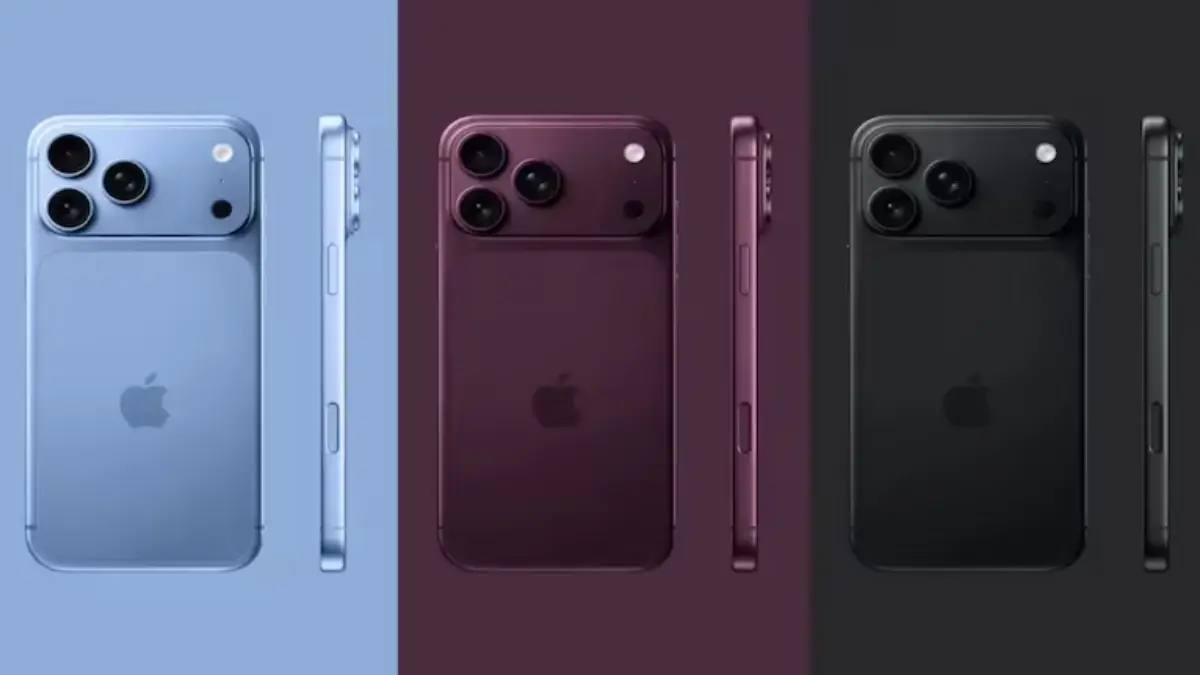
Visually, Apple is moving away from the industrial, two-tone finishes of recent years. The back glass will feature a single, unified chemical etching process that blends seamlessly into the titanium frame.
The color palette is also getting a sophisticated refresh. Alongside the reliable Silvers and Dark Greys, we are seeing a muted Sky Blue and a highly anticipated signature shade: Dark Cherry—a deep, rich wine-red that is already generating a massive amount of buzz in design circles.
The Verdict
If these leaks hold true, the iPhone 18 Pro isn’t just another routine refresh. It represents a fundamental shift in how Apple designs and positions its hardware. By combining legitimate DSLR-style camera mechanics and a massive leap in local processing power with a highly disciplined pricing strategy, Apple is making a compelling argument: if you’re going to buy an iPhone, you might as well go all the way.