


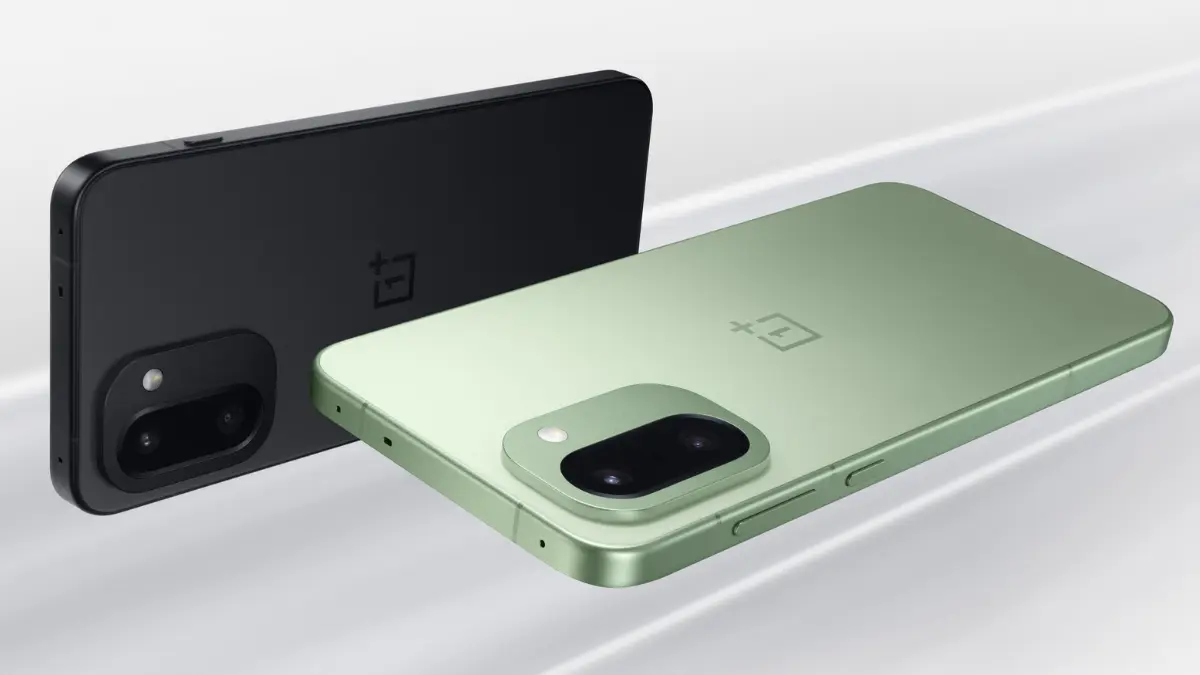


It’s official, and it stings. OnePlus Shutdown, the brand that built its entire identity around being the spunky underdog fighting smartphone empires, is completely pulling out of North America and Europe.
Parent company Oppo is drastically restructuring its global operations. For tech fans who remember the early days of invite-only phone launches and the defiant “Never Settle” slogan, this marks the tragic end of an era. There will be no more new OnePlus phones launched in the West, and retailers are already quietly clearing out the final remaining stock.
Inside the Corporate Shuffle: Why OnePlus Shutdown
This isn’t just a sudden retreat; it’s a calculated, brutal survival strategy by Oppo. Faced with intense market pressures, the company is treating its global presence like a game of musical chairs.
While Western consumers are losing the brand entirely, the fallout looks very different depending on where you live in the world:
| Region | The Reality | The Strategy |
| United States & Europe | Total Shutdown | Immediate stop to all hardware releases; sales offices are closing. |
| India | On Borrowed Time | Safe for the rest of 2026 as a “priority market,” but internal projections point to a full exit by late 2027. |
| China | Demoted | The brand survives domestically, but it’s being stripped of its premium status to become a budget-tier line. |
| Nordic Countries | The Replacement | Oppo is completely pulling the budget brand Realme out of China and launching it aggressively in Finland, Sweden, and Denmark to fill the void. |
The Two Invisible Forces That Crushed the Brand
How did a company that once commanded overnight lines for phone drops end up entirely boxed out? It boiled down to two massive bottlenecks that the company simply couldn’t budget its way out of.
1. The AI Boom Broke the Supply Chain
First, the global tech industry is currently trapped in a massive enterprise AI boom. Tech giants are buying up memory chips for artificial intelligence servers at an unprecedented rate, creating a crushing shortage of parts for consumer electronics. Over the past year, the cost of high-end RAM and fast storage has skyrocketed by nearly 250%.
For OnePlus, whose entire business model relied on selling top-tier specs at a razor-thin profit margin, this was a death sentence. They could no longer build cheap flagships because the raw components became too expensive.
2. The U.S. Carrier Lockout
Second, OnePlus learned the hard way that you cannot survive in the United States without carrier backing. In America, close to 90% of people buy their phones directly from their network provider’s retail store. When T-Mobile quietly dropped OnePlus from its store shelves in 2023, the brand lost its direct line to normal consumers. Its U.S. market share cratered from a healthy 1.8% down to a virtually invisible 0.1%.
What This Means for the Phone in Your Pocket
If you currently use a OnePlus device, you don’t need to panic and buy a new phone today—but you do need to start planning your exit strategy.
1.Keep Your Phone Updated:Warranties & Patches.
Oppo has promised to honor existing after-sales support. Premium devices like the OnePlus 15 will still receive their promised four years of major Android updates and six years of security patches.
2.Save Your Community Data:Deadline: August 16, 2026.
The Western OnePlus Community forums—a treasure trove of custom software guides, photo galleries, and user fixes—are shutting down permanently next month. If you have anything saved there, log in and download it now.
3.Say Goodbye to OxygenOS:Coming Late 2026.
To cut software engineering costs, OnePlus is killing off its clean, beloved OxygenOS software overlay entirely. Later this year, a mandatory system update will overwrite your phone’s interface and merge it into Oppo’s unified, heavier ColorOS platform.
A Final Thought: The Death of the Enthusiast Brand
The exit of OnePlus leaves a massive, sterile void in the Western smartphone market. We are left with a functional duopoly where Apple and Samsung control the premium space, leaving very little room for weird, experimental, or consumer-first engineering.
While spinoff brands like Carl Pei’s Nothing are actively trying to sweep in and claim the enthusiast market that OnePlus left behind, it’s a stark reminder of a tough reality: in the modern smartphone industry, you either grow big enough to become the villain, or the supply chain ensures you don’t survive at all.