


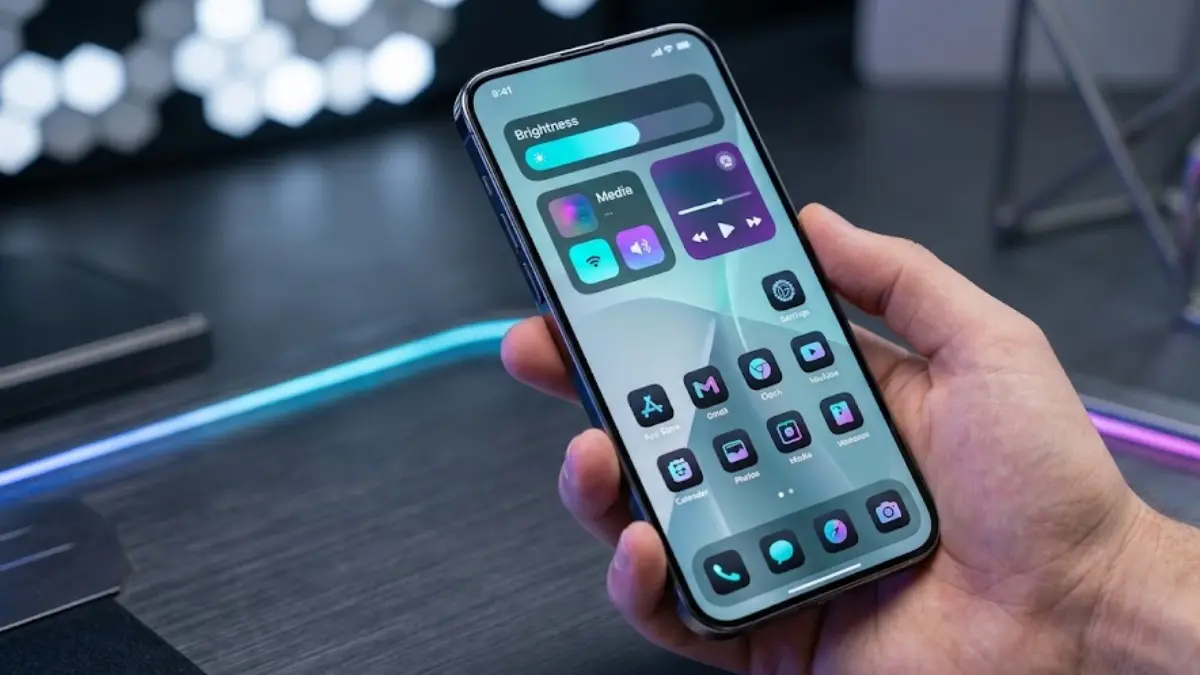


Samsung has officially kicked off its highly anticipated One UI 9.0 Beta Program, giving tech enthusiasts an early taste of the upcoming Android 17 upgrade cycle. The initial rollout begins this week, promising deep AI integrations and a massive overhaul to day-to-day multitasking.
As is tradition, Samsung’s latest Galaxy flagship generation—the Galaxy S26 5G series—will be the very first to get access to the beta firmware before it expands to older generations and mid-range devices.
Advanced AI and Seamless Creative Tools
Rather than focusing purely on subtle background optimizations, Samsung is shipping notable interface updates and systemic AI tools designed to streamline how users communicate and create.
One of the standout quality-of-life additions is the newly integrated Creative Studio inside the native Contacts app. Instead of jumping out into third-party photo editors to tweak images, users can now build deeply personalized profile cards natively within the app.
Furthermore, the core Samsung Notes application is receiving an injection of new generative and formatting tools, aimed at smoothing out mobile productivity for power users who rely on their phones for work.
Modularity Comes to the Quick Panel
Taking years of community feedback into account, the Quick Panel has received a major design overhaul focused entirely on modularity.
In previous versions, display brightness, volume levels, and media controls were often tethered to rigid layout designs. With One UI 9.0, each of these elements operates independently. Furthermore, Samsung has introduced flexible scaling options, allowing users to resize individual control panels to suit their reach and visual preference.
Who Can Join the Android 17 Beta Program Today?
If you own a device in the Galaxy S26 5G lineup, you can check your eligibility and register via the official Samsung Members app. The initial rollout phase is restricted to select regional hubs globally, including:
- India
- United States
- United Kingdom
- Germany
- South Korea
- Poland
Samsung expects to make the firmware stable and expand it to more legacy devices and regions later this year.