




Upcoming Hybrid Cars In India: If you wanted a reliable, high-mileage, strong hybrid car in India, your options were pretty much a game of spot-the-difference between Toyota and Maruti Suzuki. You either bought a Grand Vitara/Hyryder tag-team, stepped up to an Innova Hycross, or settled for the aging Honda City e:HEV.
But that comfortable duopoly is about to face a serious reality check.
Over the next 18 months, the Indian automotive landscape is going to experience an unprecedented influx of electrified engines. At least six major manufacturers—Renault, Nissan, Hyundai, Kia, BYD, and the JSW Group—are lock-stocked and ready to launch an aggressive offensive of strong hybrids and long-range plug-in hybrids (PHEVs).
If you are currently planning to buy a premium midsize SUV or a 3-row family car, you might want to hit the pause button. Here is a definitive look at the incoming wave that is set to completely rewrite the Indian car buyer’s playbook between 2026 and 2027.
Why the Auto Industry is Suddenly Obsessed with Hybrids
The sudden pivot toward hybridization isn’t just a random trend; it is a calculated survival strategy driven by two massive pressures:
- The Slow Death of Diesel: Stricter Corporate Average Fuel Efficiency (CAFE) norms and phase-two BS6 targets have made traditional diesel engines incredibly complex and punishingly expensive to build. Strong hybrids offer that exact same addictive, long-range “diesel mileage” without any of the regulatory headaches or tailpipe anxiety.
- The EV Infrastructure Gap: While battery EVs are excellent for city commutes, a massive chunk of Indian car buyers still suffer from severe range anxiety on long highway road trips. Hybrids act as the perfect, no-compromise bridge—giving you electric efficiency in bumper-to-bumper city traffic, backed by the bulletproof reliability of a petrol fuel tank.
Upcoming Hybrid Cars In India
The Launch Roadmap at a Glance
| Brand | Upcoming Model | System Type | Launch Window | Main Target |
| Renault | Duster Hybrid | Strong Hybrid | Festive Season 2026 | Hyundai Creta / Maruti Grand Vitara |
| BYD | Seal U DM-i (Sealion 6) | Plug-in Hybrid (PHEV) | Late 2026 | Jeep Compass / Hyundai Tucson |
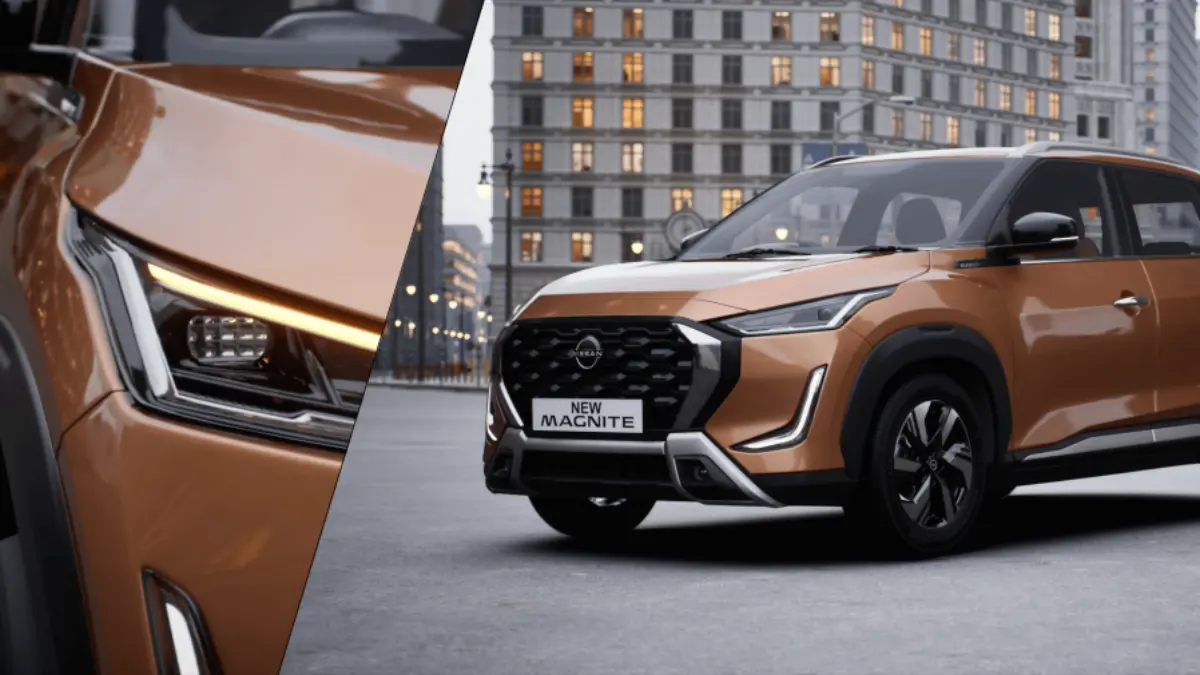
| Nissan | Tekton Hybrid | Strong Hybrid | Late 2026 / Early 2027 | Midsize SUV Segment |
| JSW Group | Unannounced SUV | Plug-in Hybrid (PHEV) | Early 2027 | Luxury Crossover Segment |
| Hyundai | India-Focused SUV | Strong Hybrid | Mid-2027 | Next-Gen Creta / Alcazar class |
| Kia | Sorento Hybrid | Strong / PHEV | Mid-2027 | Toyota Fortuner |
| Kia | Carnival Hybrid | Turbo-Petrol Hybrid | 2027 | Luxury MPV Segment |
| Renault | Bigster Hybrid | Strong Hybrid | 2027 | Mahindra XUV700 / Tata Safari |
Breaking Down the Key Contenders
The European Fightback: Renault & Nissan
Renault is putting all its chips on a nameplate that Indian buyers still hold incredibly close to their hearts: the Duster. Arriving around the 2026 festive season, the all-new Duster won’t just rely on rugged looks; it will bring a highly localized version of Europe’s acclaimed “Hybrid 140” powertrain. This system allows the SUV to handle up to 80% of urban city driving on pure electric mode before the petrol engine seamlessly kicks in.
Shortly after, Renault will drop the Bigster Hybrid—a longer, premium 3-row version designed to take on the Mahindra XUV700. Meanwhile, alliance partner Nissan will utilize the exact same platform to launch the Tekton Hybrid, featuring a completely different, sharper Japanese design language to capture buyers looking for something distinct.
The Pure EV Alternatives: BYD & JSW Group
While strong hybrids charge themselves entirely through braking, Plug-in Hybrids (PHEVs) bridge the gap even closer to pure electric cars. They pack significantly larger batteries that you can plug into a wall socket, giving you enough pure-electric range to handle your daily office commutes without burning a single drop of petrol.
- BYD is highly anticipated to debut the Seal U DM-i (also known as the Sealion 6) before the end of this year. It boasts a mind-boggling combined petrol-electric range of up to 1,200 kilometers on a single full tank and charge.
- In a fascinating twist, the JSW Group is bypassing its current JSW MG Motor alliance to introduce an independent, premium PHEV SUV by early 2027, sourcing cutting-edge international tech to build a standalone luxury identity.
The Volume Kings: Hyundai & Kia
Hyundai and Kia know that to maintain their massive market share in India, they cannot rely solely on petrol and diesel anymore. Hyundai is quietly developing a highly localized strong hybrid system specifically tailored for Indian driving conditions, expected to debut in 2027. This powertrain will likely find its way into their blockbuster midsize segments to directly counter Maruti and Toyota.
Kia, on the other hand, is targeting the premium, luxury-seeking crowd. They plan to introduce the rugged Sorento Hybrid as a more sophisticated, fuel-efficient alternative to the Toyota Fortuner. Additionally, a hybrid version of the ultra-luxurious Carnival MPV is on the cards, offering high-end executive comfort without the terrifying fuel bills usually associated with giant luxury vans.
The Massive Tax Roadblock in the Way
Despite the incredible tech coming our way, there is a massive elephant in the room: Indian road taxes.
Right now, pure electric vehicles get a massive government push with a tiny 5% GST rate. Hybrids, despite being incredibly green compared to standard petrol cars, are lumped into the highest tax brackets alongside traditional combustion engines. Depending on the size of the vehicle, a hybrid car faces a punishing combined GST and compensation cess rate ranging from 43% to 48%.
Automakers are actively lobbying the government for a tax relaxation, arguing that easing the tax burden on hybrids would immediately cut down India’s massive crude oil import bills. However, policymakers remain split, preferring to keep the financial carrots reserved strictly for zero-emission EVs.
The Verdict: Should You Wait?
The upcoming 2026–2027 cars launch cycle is going to fundamentally democratize hybrid technology in India. It will shift from a niche, expensive feature exclusive to a couple of brands into a mainstream, highly competitive battleground.
If you are looking to buy a premium vehicle and want a seamless transition away from traditional fossil fuels without dealing with the growing pains of public charging stations, the wait will absolutely be worth it. The sheer scale of manufacturing hitting the market from Renault, Hyundai, and Kia is bound to spark a price war—and when manufacturers fight for market share, the ultimate winner is always the Indian consumer.